



Heat-Resistant Masking Tape polyester green – 220°C
Choose your option


Heat resistant conical silicone plugs
Choose your option


Repair Pen for Powdercoating
Choose your option

Paint hook 2 x 100 mm square plan CE 20/20
Choose your option


Plug with offset rings
Choose your option

storage box
Choose your option
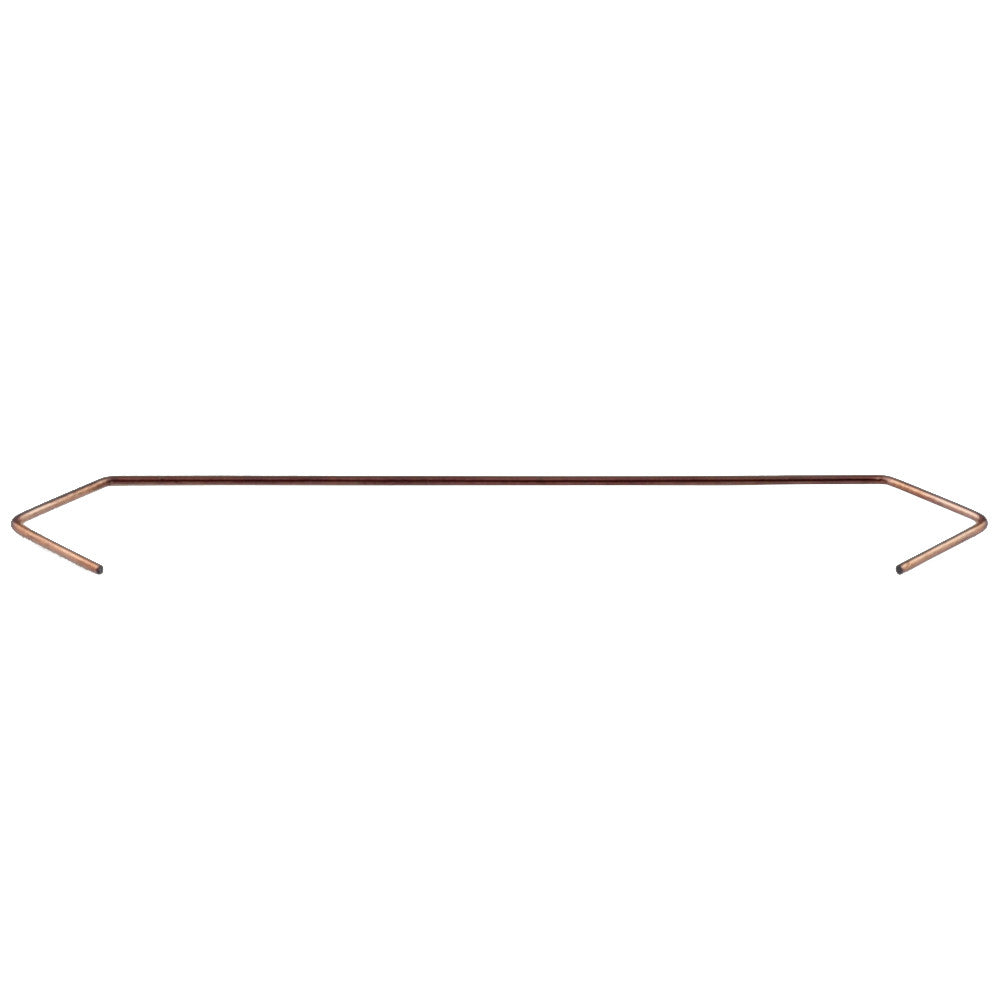
Paint hook 1,5 x 150 mm square plan CE 20/20
Choose your option


Special Rim Hanging
Choose your option
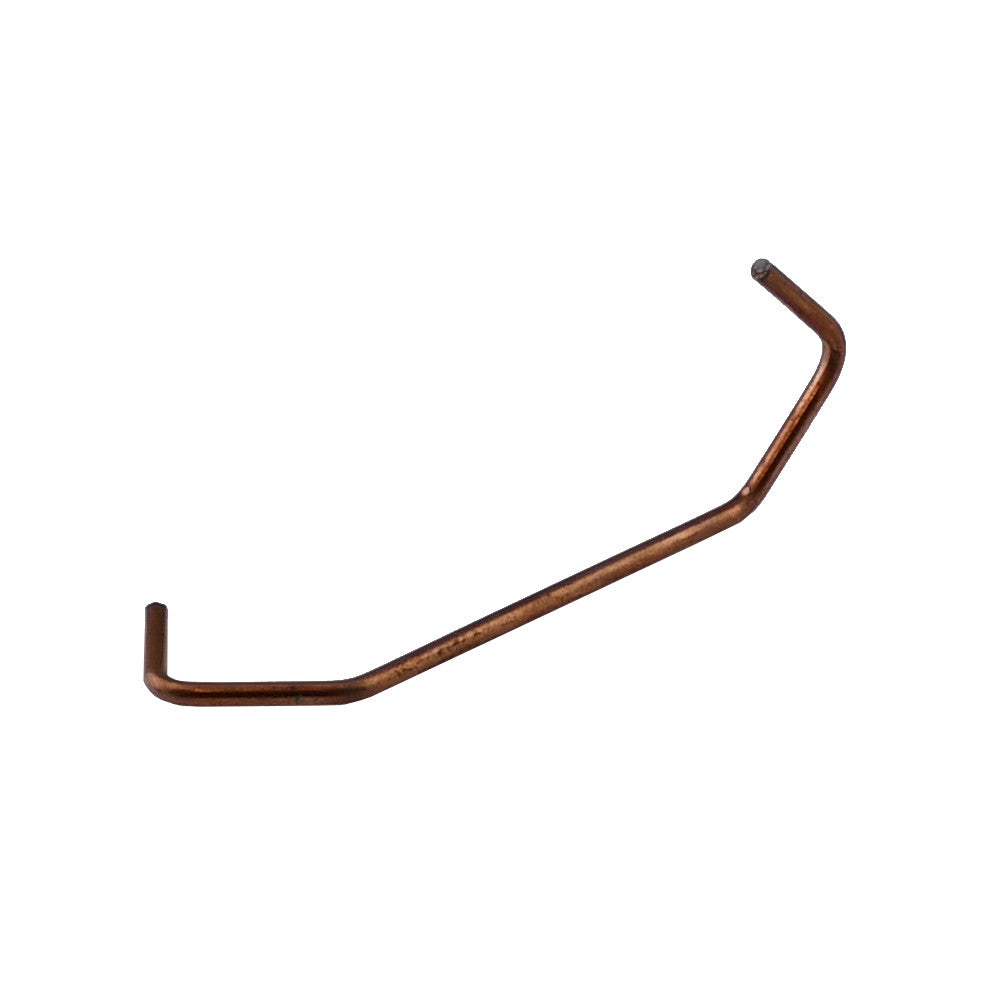
Paint hook 3 x 100 mm square 90° twisted
Choose your option

Set of 3 touch-up pens for repairing powder coating
Choose your option

Paint hook 1,5 x 60 mm square plan CE 20/20
Choose your option

Thread silicone plugs
Choose your option

Silicone Caps
Choose your option


Touch-Up Pen Anthracite Grey RAL 7016 matt/gloss
Choose your option


Touch up pen black RAL 9005 matt/gloss
Choose your option

Set of 5 touch-up pens for repairing powder coating
Choose your option
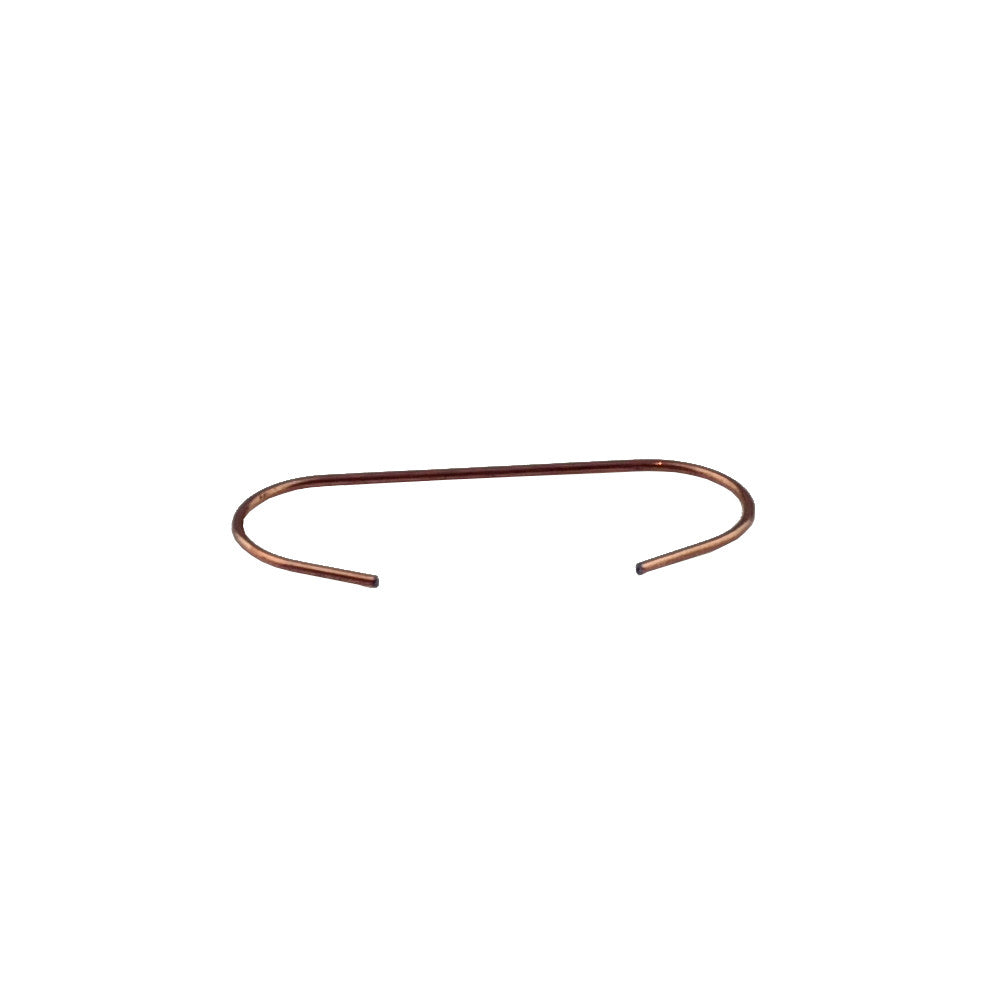
Paint hook 1,5 x 60 mm round plan
Choose your option

Silicone pull-through plug
Choose your option


Heat-Resistant Masking Tape polyester blue 220 °C
Choose your option


Touch-Up Pen Grey Aluminium RAL 9007 matt/gloss
Choose your option
Masking Protects Threads, Boreholes, and Edges Before Coating
You want to coat a rim, but the valve hole, wheel hub, and brake caliper mounting points need to remain bare metal. That is precisely what powder coating accessories are designed for. Masking (the targeted taping and sealing of all areas that should remain free of powder) is key to achieving a clean result. Anything you do not cover will be coated later.
Standard masking tape cannot withstand oven heat. During curing—when the powder hardens under heat—temperatures range between 180 and 200 °C depending on the color shade. By contrast, heat-resistant polyester tape withstands temperatures up to 220 °C, remains tear-resistant at a length of 66 m and a thickness of 0.09 mm, and peels off cleanly without residue after curing.
| Masking Type | Temperature Limit | Application |
|---|---|---|
| Heat-Resistant Tape | 220 to 280 °C | edges, flat surfaces, color boundaries |
| Conical Silicone Plugs | up to 315 °C | boreholes, blind holes |
| Silicone Thread Plugs | up to 315 °C | screw threads |
| Silicone Caps | up to 315 °C | threads and bolt heads |
For most rims and frames, tape rated up to 220 °C is sufficient. Only choose the 260 or 280 °C grade if you cure with safety margins at 200 °C and above.
Boreholes, blind holes, and threads are almost impossible to seal properly with tape alone. Instead, insert silicone plugs, which withstand temperatures up to 315 °C and keep openings powder-free. Conical plugs fit various diameters, threaded plugs sit securely inside screw threads, and caps slip over protruding studs.
Expert Opinion by Pulverkönig
In technical consultations, we frequently see parts with charred painter's tape because standard tape fails to withstand 180 °C during curing. High-temperature polyester tape withstands up to 220 °C and peels off cleanly afterward, saving time on touch-ups along color boundaries.
Masking Hooks Hold the Component and Ground the Charge
Every hook carries only up to a specific load limit. As a general guide, a 1.5 mm wire holds up to approximately 4 kg, 2 mm holds up to roughly 7 kg, and 3 mm holds up to about 18 kg (provided without warranty). Therefore, choose your masking hook based on the weight and hanging point of your component, rather than convenience.
The hook not only supports the part, but also provides grounding. For electrostatically charged powder to deposit evenly, the workpiece must be properly grounded, and this electrical connection runs through the contact points on the hook and hanger. If coating builds up on these points over time, it disrupts conductivity and compromises adhesion. Keep hooks clean or strip them regularly.
Rims are a special case because the hanging method itself must not leave visible defects. The rim hanging hook made of galvanized steel fits into any standard air valve with its 5 mm diameter, holding car, motorcycle, and bicycle rims securely through coating and curing.
Touch Up Scratches and Hook Marks Precisely with a Touch-Up Pen
After curing, a tiny uncoated mark often remains at the hook attachment point, and stone chips can easily occur during transport. For such minor flaws, reach for touch-up pens instead of recoating the entire part. A pen is not intended for large areas, where recoating is recommended.
For exact match in color, texture, and gloss level, mix the powder coating touch-up pen set with 1 to 3 g of the original powder. On bare metal, apply a primer first to ensure proper adhesion before touching up.
For faster results, pre-mixed pens in standardized RAL shades like RAL 9005 Jet Black (matt or glossy) become dry to the touch after about 10 minutes and fully cure within roughly 24 hours. To tackle larger damage, check out our guide on repairing powder coatings easily.
Store Excess Powder Cool, Verify Color Shades on Sample Panels
Powder coating is sensitive to heat. Stored at excessively high temperatures, the powder can clump together (a process known as physical blocking) making it harder to apply smoothly. Always store excess powder in a cool, dry place. Sealable storage boxes designed for temperatures between 5 and 45 °C keep leftover powder usable for future projects or later touch-ups.
The second key point concerns color accuracy. On a monitor, a color shade looks different than cured on actual metal, especially with metallic and special effect coatings. Always verify critical shades on a physical sample beforehand. Steel sample panels (approx. 3 mm thick and measuring 20 x 10 cm) display the true color shade, gloss level (how strongly the surface reflects light), and texture exactly as they will look on the finished part.
Expert Opinion by Pulverkönig
From customer projects, we know that metallic and effect shades appear significantly different on a screen compared to a cured sample panel. A steel sample panel, roughly 3 mm thick, costs very little and quickly saves you from an entire failed production run on a series of parts.