


Powdercoating mirror chrome
Choose your option


Powdercoating blackened bronze
Choose your option

Powdercoating Star Silver
Choose your option
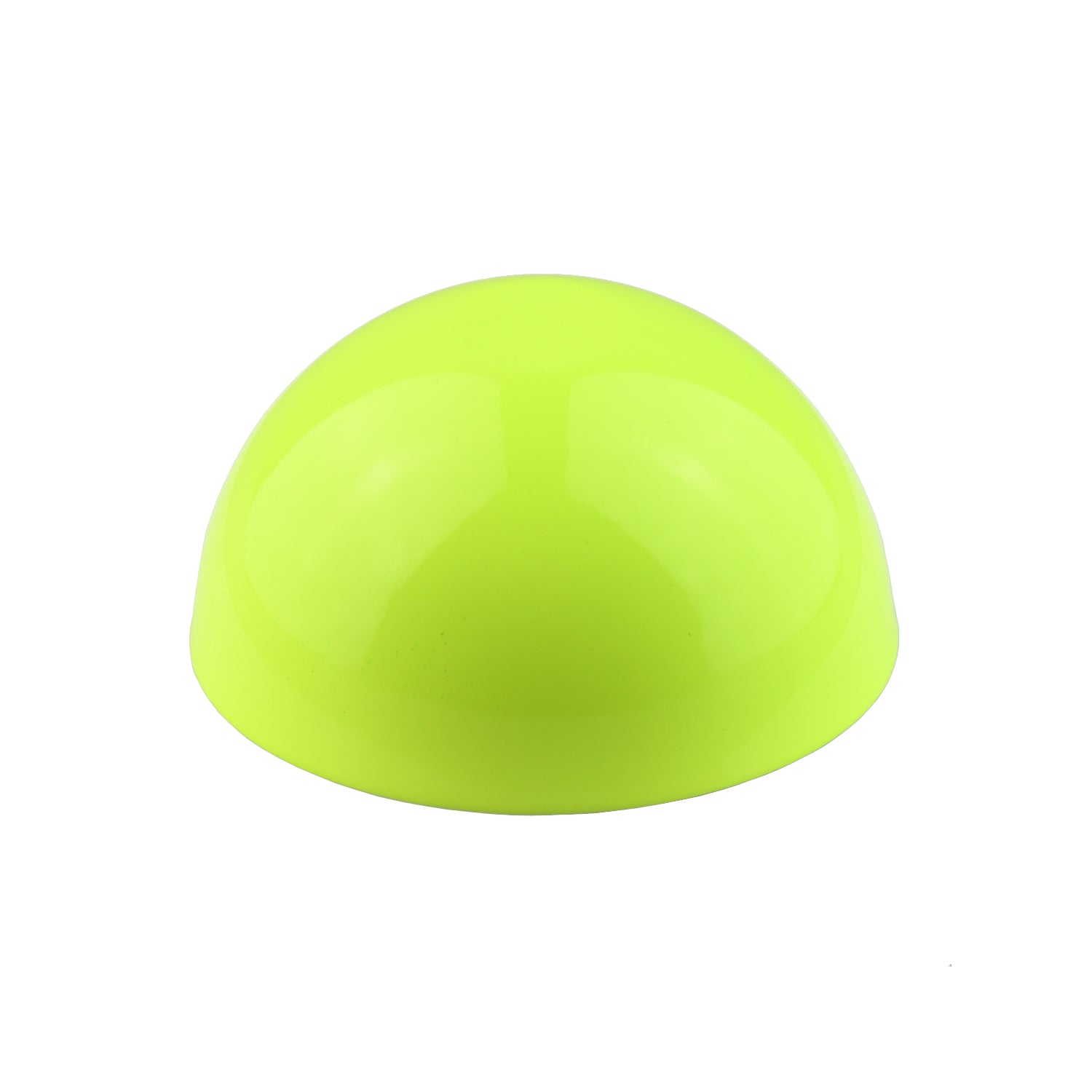
RAL 1026 Luminous Yellow
Choose your option


Red glaze
Choose your option


Powdercoating Pale Gold
Choose your option


Purple Glaze Classic
Choose your option


Powdercoating silver light
Choose your option


Blue Glaze Classic
Choose your option


Powdercoating Black Wrinkle
Choose your option


Powdercoating Silver substratum
Choose your option


Powdercoating blackened Gold
Choose your option

Powdercoat Midnight Purple
Choose your option


Powdercoating Silver Sparky
Choose your option

Gold glaze
Choose your option


Powdercoating Gunmetal Light
Choose your option
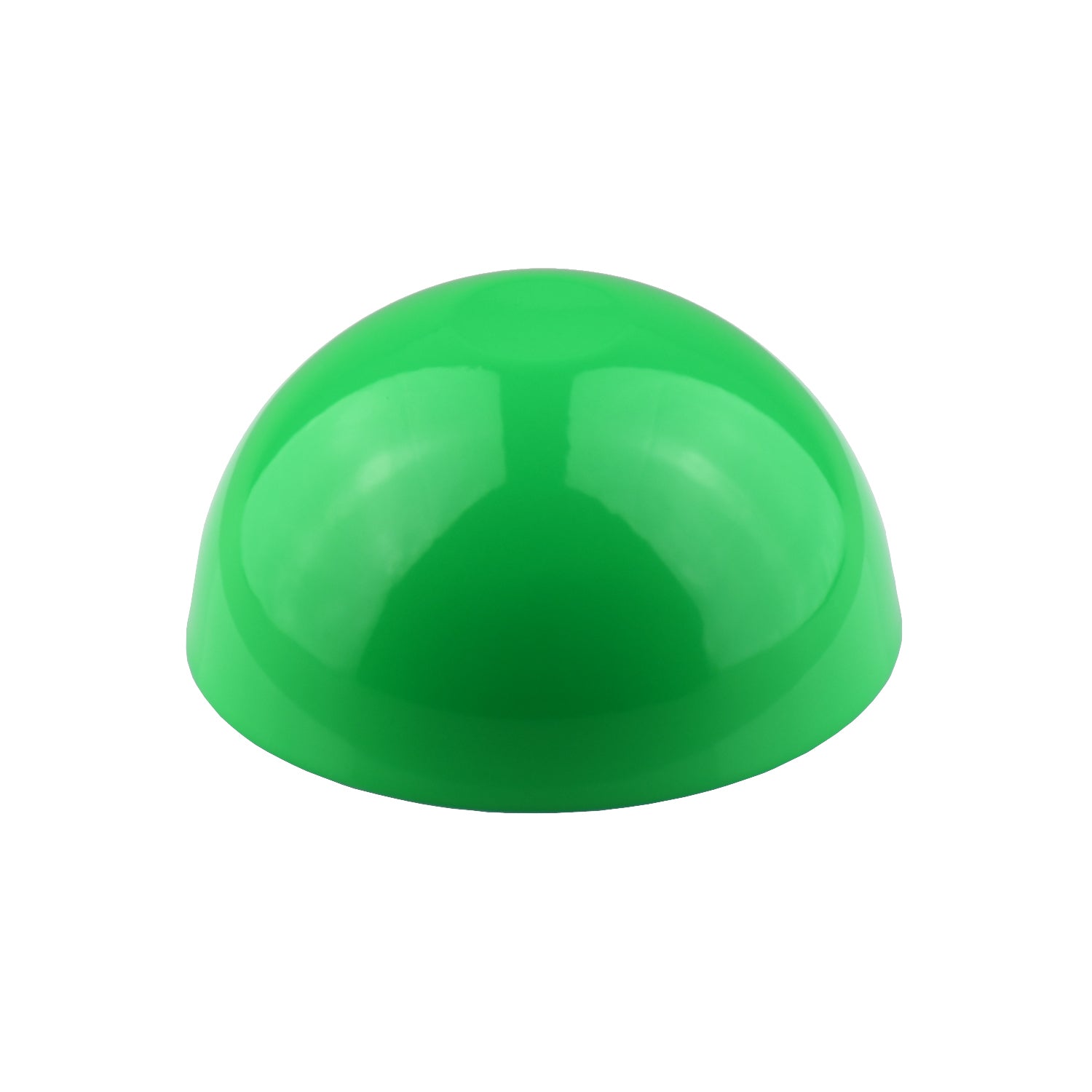
RAL 6038 Luminous Green
Choose your option


Powdercoating Anthracite Porsche
Choose your option

Powdercoating Copper Sparky
Choose your option

Powdercoating Maya Gold
Choose your option
Which Color Worlds Are Available for Your Component
Picture your component, whether it is a rim, a garden fence, or a piece of furniture, about to get a new shade. In powder coating, colors range from solid RAL shades and metallic effects to vibrant fluorescent tones. The color shade determines not only the visual appeal but also how well the surface withstands sunlight, weather, and scratches.
Over 500 colors and textures are available in our product range, from simple standard shades to elaborate multi-layer effect systems. To help you navigate the options, they are divided into four color worlds: solid RAL shades, metallic colors, multi-layer Candy and Cosmic effects, and fluorescent colors. How strongly a shade covers also depends on the pigment: intense chromatic shades like a rich red require more expensive organic pigments, while inorganic pigments offer better coverage and higher temperature stability.
The following overview illustrates how the four color worlds differ in build up and visual appearance.
| Color World | Coating System | Appearance | Example Shade |
|---|---|---|---|
| RAL Standard | 1 opaque coat | solid color, matt to high gloss | RAL 9005 Jet Black |
| Metallic | 1 coat with effect pigment | metallic shimmer | Star Silver |
| Candy and Cosmic | 2 coats, translucent topcoat over mirror base | deep color shine | Candy Red |
| Fluorescent Colors | 1 coat, indoor only | daylight fluorescent | RAL 1026 Luminous Yellow |
For a single indoor part, a solid standard color is often sufficient; for a visible component requiring depth, a multi-layer effect system is well worth it.
RAL Color System: Standardized Color Shades with Fixed Numbers
RAL 9005 Jet Black, RAL 7016 Anthracite Grey, RAL 9010 Pure White: behind each of these numbers lies a precisely defined color shade. The RAL color system, introduced in 1927, assigns a fixed code to every standardized shade, ensuring your Pure White looks identical today as it will in five years.
The benchmark shade in the product range is RAL 9005 Jet Black, available across all gloss levels: From highly reflective to low-reflection, high gloss to dead matt. These coatings are formulated with polyester, the weather-resistant binder suitable for both indoor and outdoor applications. Most are manufactured in facade quality, approved for long-term outdoor exposure and certified according to Qualicoat or GSB, the two leading industry quality labels.
RAL 7016 Anthracite Grey in Fine Texture is ideal for fences, gates, and facade parts because the fine texture conceals scratches and fingerprints. During curing in the oven, these powders cure at around 180 °C for 15 to 20 minutes. One kilogram covers approximately 9 to 13 m² at a layer thickness of 60 µm (60 micrometers), making quantity planning straightforward.
Not every RAL shade lasts equally long outdoors. For components permanently exposed to the elements, superdurable coatings offer extended performance, preserving color for 15 to 20 years even under intense sunlight when proper pretreatment, thorough cleaning and primer application is used. Conversely, fluorescent RAL colors like RAL 1026 Luminous Yellow are intended for indoor use only, as their fluorescent pigments fade outdoors without protection.
Metallic, Candy, and Effect Colors for Visible Depth
A metallic shade and a candy effect are created in fundamentally different ways. In metallic color shades, fine metal pigments are embedded within a single coat, causing light to shimmer. A candy effect, on the other hand, consists of two coats: a transparent color glaze is applied over a reflective chrome or silver base, and it is this depth that produces the brilliant shine.
For wheels and motorsport parts, Star Silver is a weather-resistant wheel silver produced using the bonding process. In bonding, effect pigments are firmly attached to the powder particles so the shade does not segregate, remaining uniform across the entire surface. Warmer shades like Blackened Bronze or Pale Gold offer a more understated look, perfectly suited for furniture and interior surfaces.
Pre-matched Candy sets eliminate the need to source individual components, as the basecoat and glaze are coordinated within the kit. It is precisely with these effects that advance testing pays off.
Expert Opinion by Pulverkönig
In practice, film thickness is often underestimated with candy and translucent glaze effects. As little as 20 µm more or less can noticeably shift the color shade. That is why we coat a sample panel before every production run instead of relying on imagination.
Bright metallic and chrome surfaces are prone to scratching. A clear coat seals the effect layer, protecting it from scratches, UV light, and weathering, particularly in outdoor settings. Please note: a chrome effect like Mirror Chrome closely resembles real chrome visually, but it does not replace electroplating, and applying a clear coat places a fine silver haze over the mirror shine.
To combine two colors on a single component, use masking to cover areas that should remain untouched. Apply and cure the first color, then cover the finished area with heat-resistant tape before applying the second coat.
Choosing Color Safely: Sample Panels Over Screen Views
On a screen, a color shade almost never looks the way it will on the cured component. Monitors display colors differently, and display representations can be especially misleading with metallic and anthracite tones. The choice only becomes reliable with a physical sample panel showing the true shade after curing.
Sample panels are available for RAL and special effect shades, while a dedicated black set places all gloss levels side by side. The gloss level significantly alters how a color shade appears. It is measured in Gloss Units (GU), with a polished glass standard calibrated to 100 GU. This effect is easily seen on the benchmark shade RAL 9005 Jet Black.
| Gloss Level | Gloss Unit | Effect | Example |
|---|---|---|---|
| High Gloss | 80 to 95 GU | highly reflective | RAL 9005 high gloss |
| Semi-Gloss | 60 GU ±10 | balanced shine | RAL 9005 semi-gloss |
| Satin Matt | 40 GU ±10 | subtle, easy-care | RAL 9005 satin matt |
| Matt | 25 GU ±10 | low glare | RAL 9005 matt |
| Dead Matt | under 10 GU | low reflection | RAL 9005 dead matt |
Which gloss level is suitable depends on the component: high gloss highlights smooth surfaces in good condition, whereas matt and textured finishes conceal minor imperfections. A Sample Panel Set Black places these levels side by side for direct comparison.
Expert Opinion by Pulverkönig
In technical consultations, we often see a shade look convincing on screen only to appear too glossy or too matt on the actual metal sheet. Between semi-gloss and satin matt lies a difference of around 20 GU—a variation a monitor can hardly represent. We therefore recommend a physical sample prior to larger projects.
If you want to not only select the color shade but coat the part yourself, our DIY powder coating guide walks you through preparation, application, and curing.