


RAL 6005 Moss green smooth gloss
Choose your option
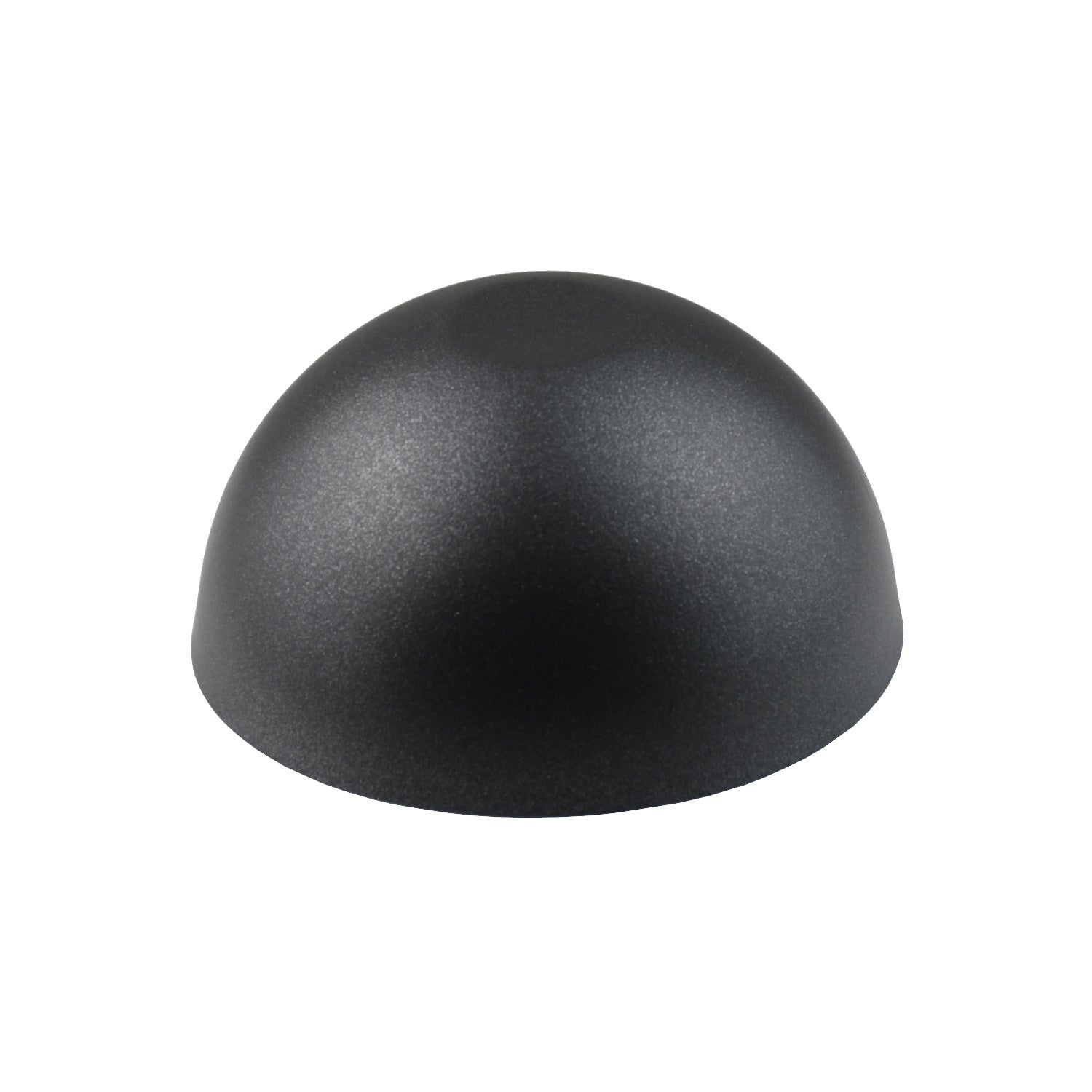
DB 703 Fine Structure Matt
Choose your option

Powdercoat RAL 9005 smooth / matt Sale
Choose your option
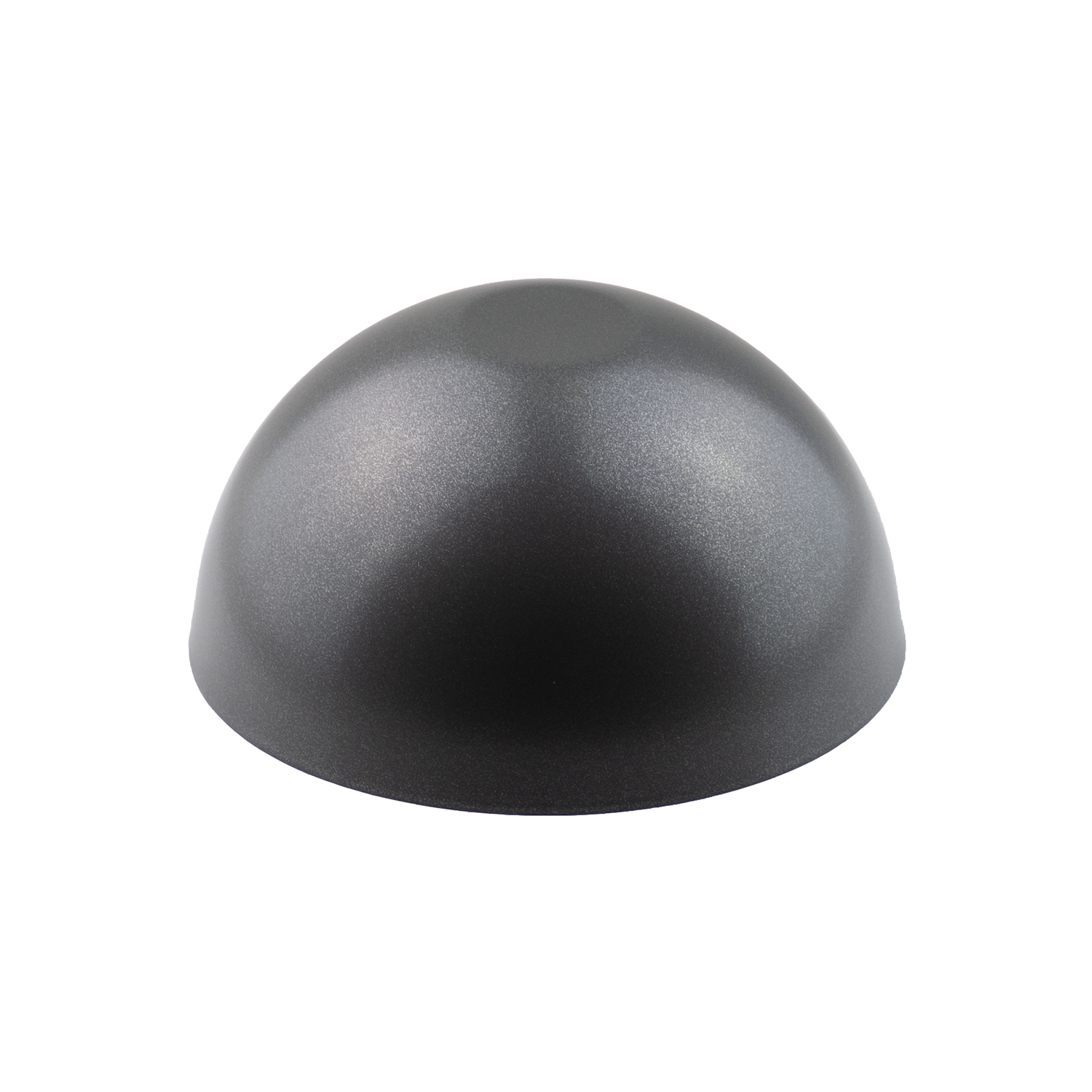
DB 703 Smooth Matt
Choose your option

RAL 6005 Moss green smooth matt
Choose your option
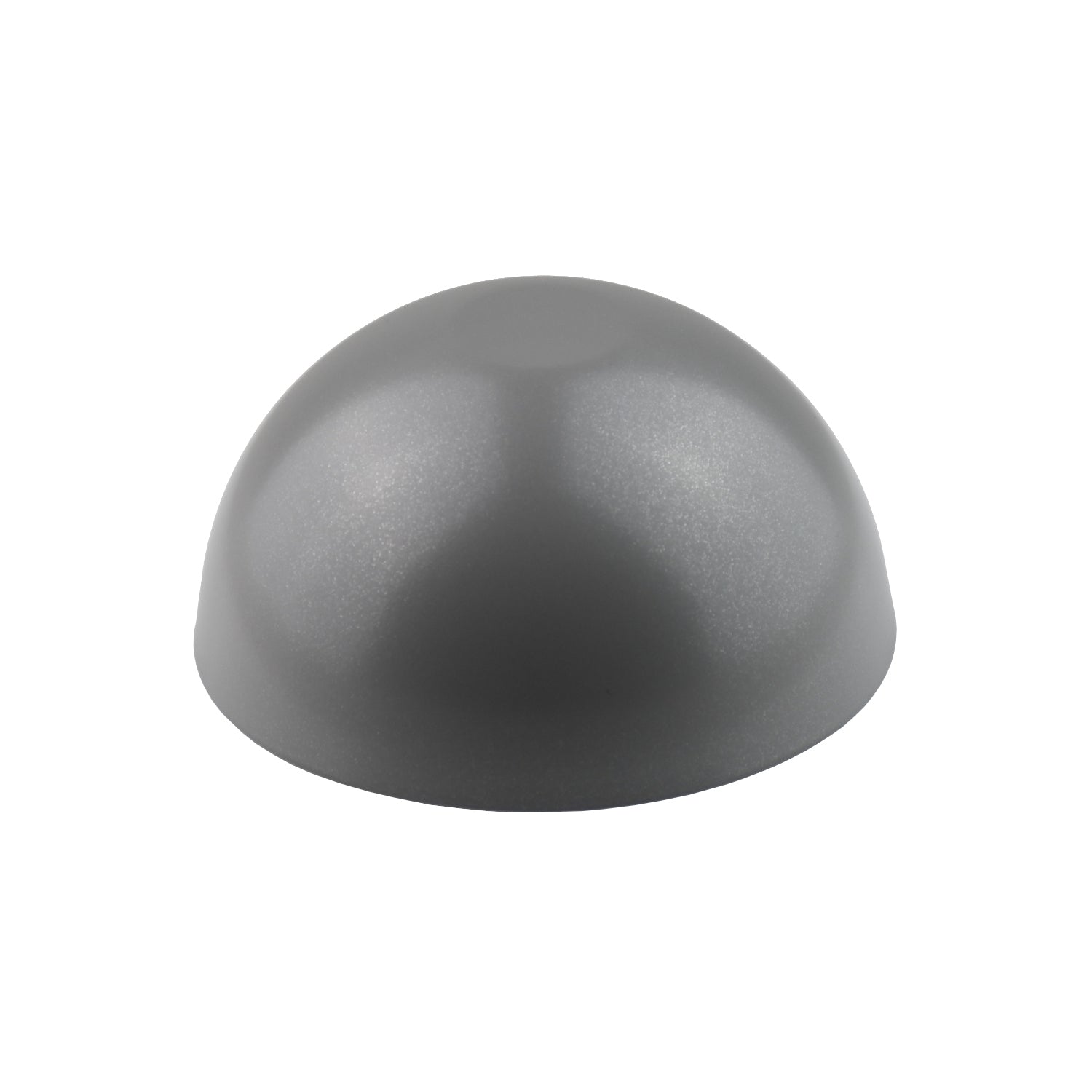
DB 701 Smooth Matt
Choose your option

RAL 6005 Moss green fine structure matt
Choose your option
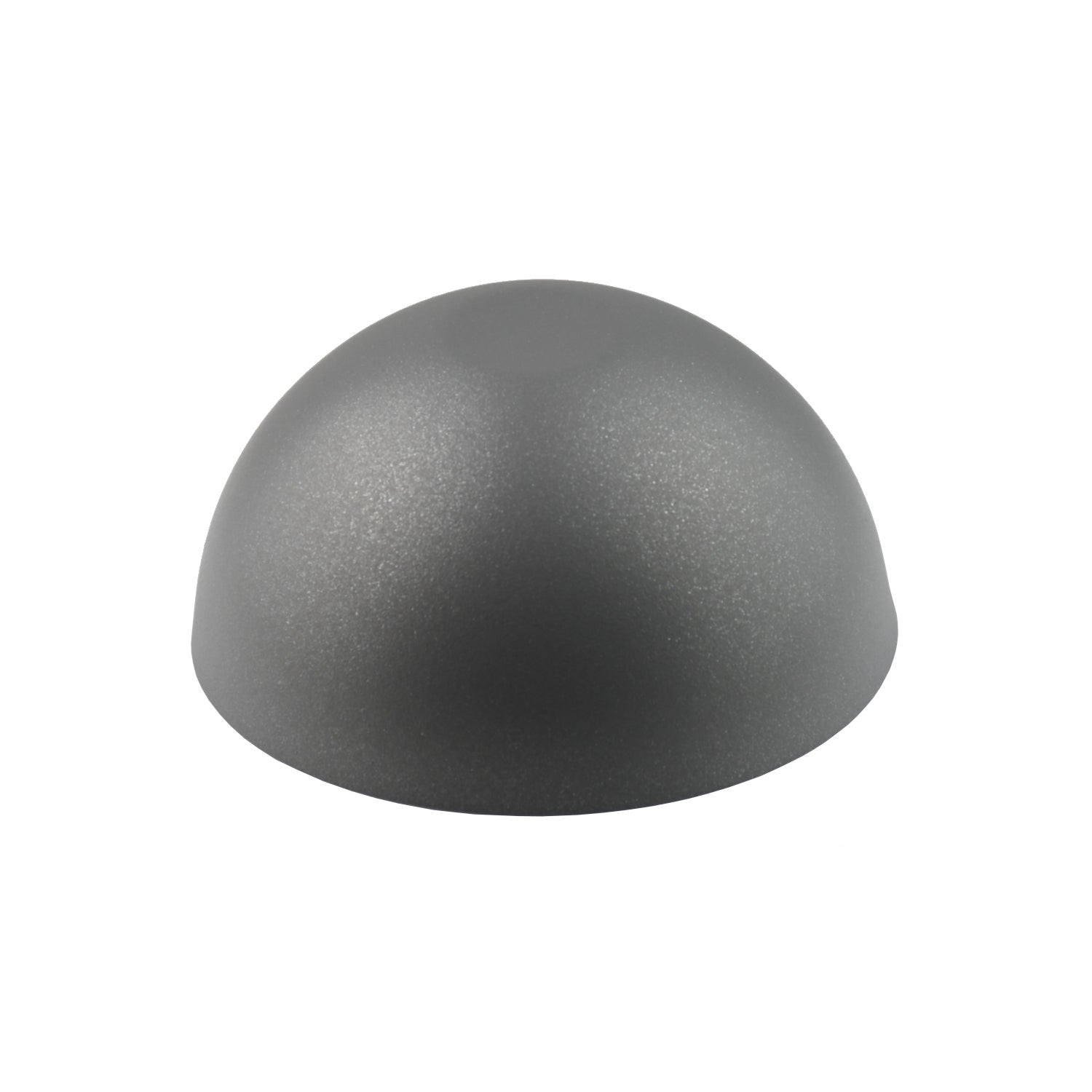
DB 701 Fine Structure Matt
Choose your option
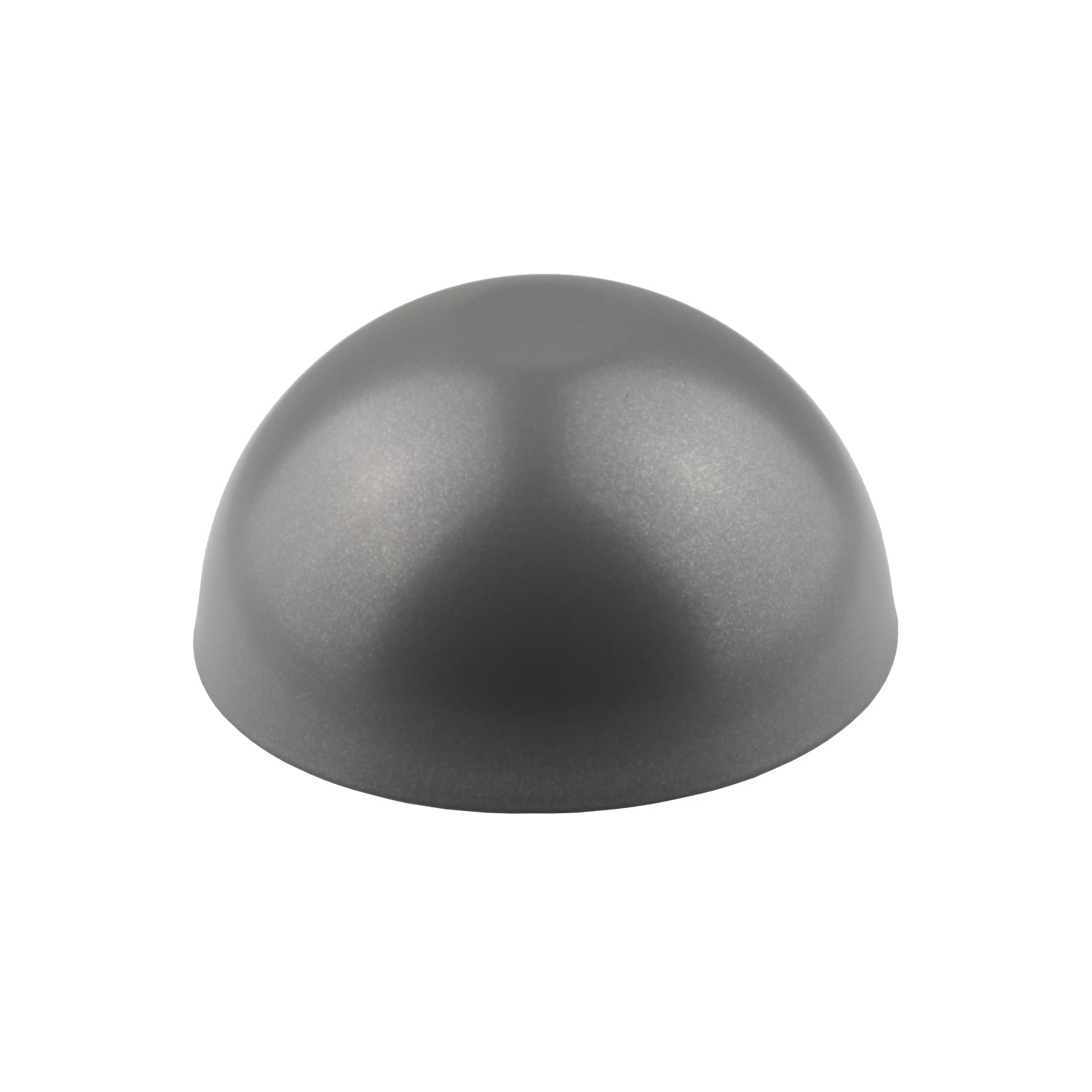
DB 702 Smooth Matt
Choose your option
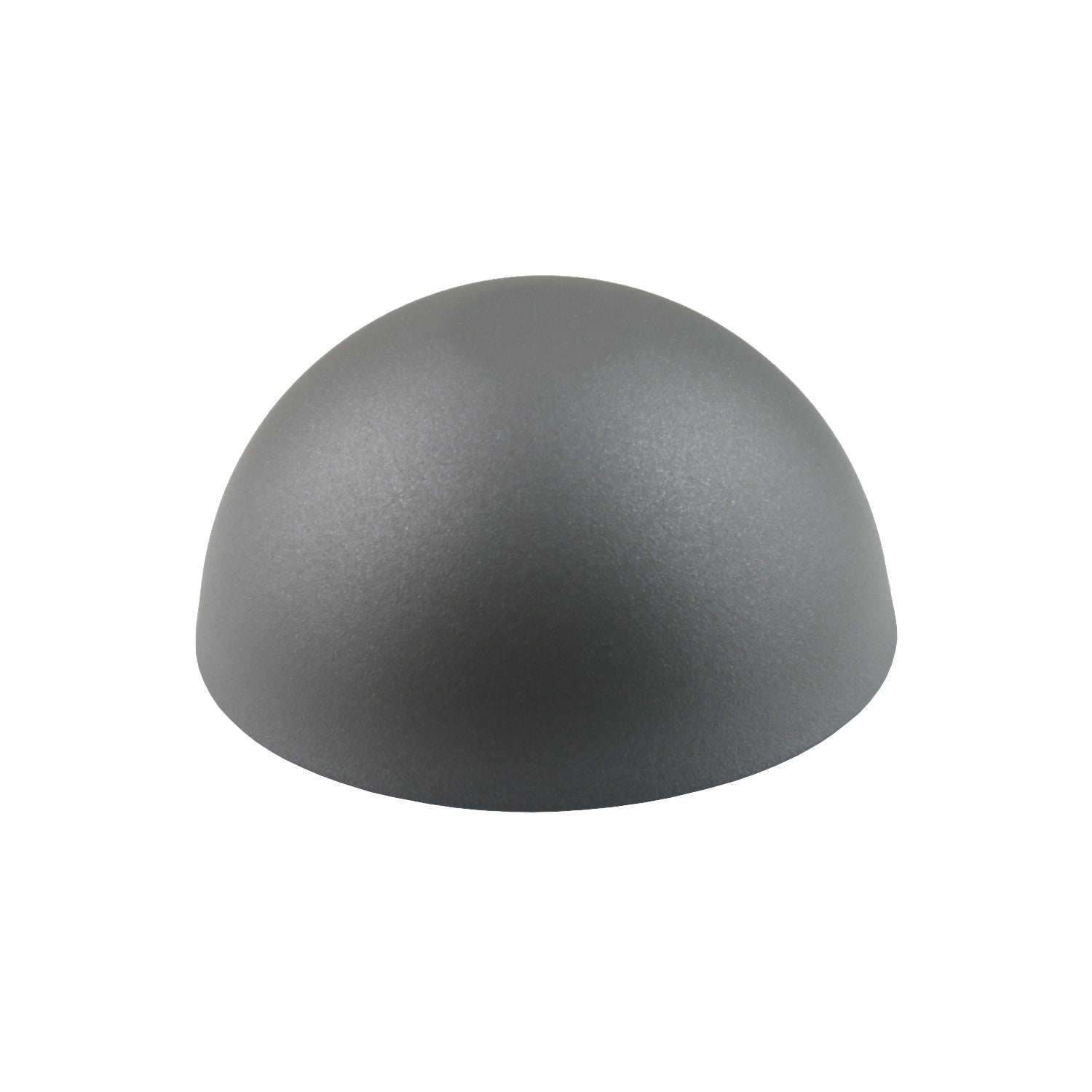
DB 702 Fine Structure Matt
Choose your option

RAL 6022 brown olive smooth gloss
Choose your option

RAL 6008 brown-green smooth gloss
Choose your option

RAL 1013 Pearl white smooth matt
Choose your option
What Defines Military Color Shades
Need an authentic military shade for a restored vehicle component, an industrial part, or a scale model? Military paints are rarely bright. The demand is for muted olive, green, gray, and black tones that remain matte and non-reflective while reliably protecting the underlying metal. This combination of camouflage optics and protective performance sets a military shade apart from standard paint.
Classic military tones often follow the RAL color system, the standardized color scale established in 1927 in which every shade carries a fixed number. This allows you to coat replicas and replacement parts reproducibly in the exact same color tone.
For green applications, turn to muted shades like Moss Green RAL 6005, a dark green suited for vehicle, fencing, and garden parts. Cure this shade at 180 °C for 15 to 20 minutes. Coverage—the surface area coatable per kilogram—ranges between 9 and 13 m² at a film thickness of 60 µm. Film thickness refers to the depth of the cured film, measured in µm (thousandths of a millimeter).
In the gray spectrum, Anthracite Gray RAL 7016 in Fine Texture Matte is a durable classic. Fine texture is a finely pebbled surface that offers good grip while masking scratches and fingerprints. For industrial and railway parts, we also supply DB coatings formulated with micaceous iron oxide—a flake-shaped pigment that gives surfaces a slightly textured, highly resilient finish.
Matte and Non-Reflective: Gloss Level Dictates Military Finish
A reflective surface catches light and reveals every edge—precisely what you want to avoid with a military finish. Gloss level describes how strongly a surface reflects light and is measured in Gloss Units (GU), where a polished reference standard represents 100 GU. The lower the value, the more matte and non-reflective the surface.
| Gloss Level | Gloss Units | Visual Effect | Suitability for Military Optics |
|---|---|---|---|
| Fine Texture Matte | Below 10 GU | Grippy, non-reflective | Excellent, conceals scratches |
| Matte | 25 GU ±10 | Diffuse, low reflection | Good, subtle appearance |
| Satin / Semi-Gloss | 40 GU ±10 | Subtle residual sheen | Limited suitability |
| Gloss | 80 GU ±10 | Reflective | Unsuitable |
For most military components, choosing a matte gloss level is the right choice because it diffuses light rather than reflecting it directly.
To achieve a deep, understated black, use RAL 9005 in Matte at 25 GU, which suppresses light reflections and fingerprints. If you need to tone down a color that is only available in a glossy finish, applying a dull matte clear coat at 5 GU lowers any shade to a uniformly non-reflective finish.
Expert Opinion from Pulverkönig
In customer consultations, we notice that matte military tones often look lighter on a screen than on the finished part. For finishes under 10 GU, evaluate the shade on a cured sample panel rather than on a monitor screen.
Long-Term Outdoor Exposure: Durability, Primers, and Clear Coats
Industrial powder coatings made of polyester withstand weather indefinitely, whereas pure epoxy coatings do not. Polyester is the binder formulated to resist UV radiation and rain, making it suitable for outdoor environments. Epoxy, a binder offering excellent adhesion, yellow-chalks under direct sunlight and belongs strictly indoors or in functional applications. For permanently exposed parts, super-durable coatings offer maximum protection, lasting 15 to 20 years outdoors with proper substrate cleaning and roughening.
Outdoor components require a primer beneath the color layer to act as a corrosion barrier. An epoxy-based Gray Primer at 10 GU covers edges effectively and adheres well to galvanized steel, cast iron, aluminum, and stainless steel. When applied to galvanized steel, it creates a duplex system—a combination of galvanization and powder coating that significantly extends corrosion protection.
Over micaceous iron oxide or metallic surfaces, apply a protective clear coat to seal the effect layer against UV and weathering. Keep color limitations in mind: pure indoor shades or fluorescent colors lacking UV stability will fade outdoors. For weathered components, choose a weather-resistant polyester shade rather than a pure safety color.
From Vehicle Components to Scale Models: Substrate and Application Dictate Choice
Steel, aluminum, and cast metal accept coatings differently. The critical factor is a clean, grease-free surface—powder coating will not adhere over oil or grease residue. Severely rusted or scaly parts are best prepared by sandblasting, which cleans and roughens the surface simultaneously. Aluminum conducts heat quickly, so using an oven thermometer helps monitor part temperature accurately.
| Application | Recommendation | Rationale |
|---|---|---|
| Exterior vehicle parts | Polyester coating plus primer | UV- and weather-stable |
| Interior model parts | Matte shade, thin film | No weathering, fine appearance |
| Industrial / Railway parts | DB shade with micaceous iron oxide | Durable, textured surface |
| Outdoor galvanized steel | Duplex System | Dual corrosion protection |
Selecting the right path depends on installation site, substrate material, and target appearance. When working with mandatory NATO or custom specifications, ordering a color sample beforehand prevents complete recoating projects caused by shade mismatches between screen and cured metal.
DIY Powder Coating and Minor Touch-Ups
Interested in powder coating military parts yourself? A powdercoating gun electrostatistically charges the powder so it adheres smoothly to the component. Rely on the Tribo method—where powder charges via friction in the barrel—rather than high-voltage Corona charging. The benefit shows on complex vehicle and cast parts, where Tribo powder penetrates deep corners effortlessly.
Expert Opinion from Pulverkönig
Experience shows that the Tribo method is particularly worthwhile for intricate automotive and cast parts because powder reaches deep recesses where a Corona gun's high-voltage field struggles to penetrate due to Faraday cage effects. Plan for a uniform film thickness of around 60 µm per pass.
For curing, you will need a dedicated powder coating oven. A powder oven operates on a standard 230 V connection reaching 200 to 220 °C while distributing heat evenly. A kitchen oven cannot replace it, as it lacks proper temperature control and fume containment. The key measurement is object temperature—the actual temperature of the metal part—rather than the set oven air temperature.
Touch up minor scratches or hook points with a touch-up pen mixed from original powder for accurate color matching. Touch-up pens are not meant for large areas, where a full recoat is recommended. This keeps restored vehicle components looking uniform even after years of use.
To read through the full process from substrate preparation to final finish, check out our guide on how to powder coat yourself step-by-step.