



RAL 9005 jet black smooth high gloss
Choose your option


RAL 9005 jet black smooth matt
Choose your option


RAL 9005 jet black smooth satin finish
Choose your option


RAL 9005 jet black fine structure matt
Choose your option

RAL 9010 pure white smooth gloss
Choose your option

RAL 9005 jet black smooth high gloss HWF
Choose your option


RAL 9005 jet black smooth gloss
Choose your option

Powder Coating RAL 3020 Traffic red smooth gloss
Choose your option

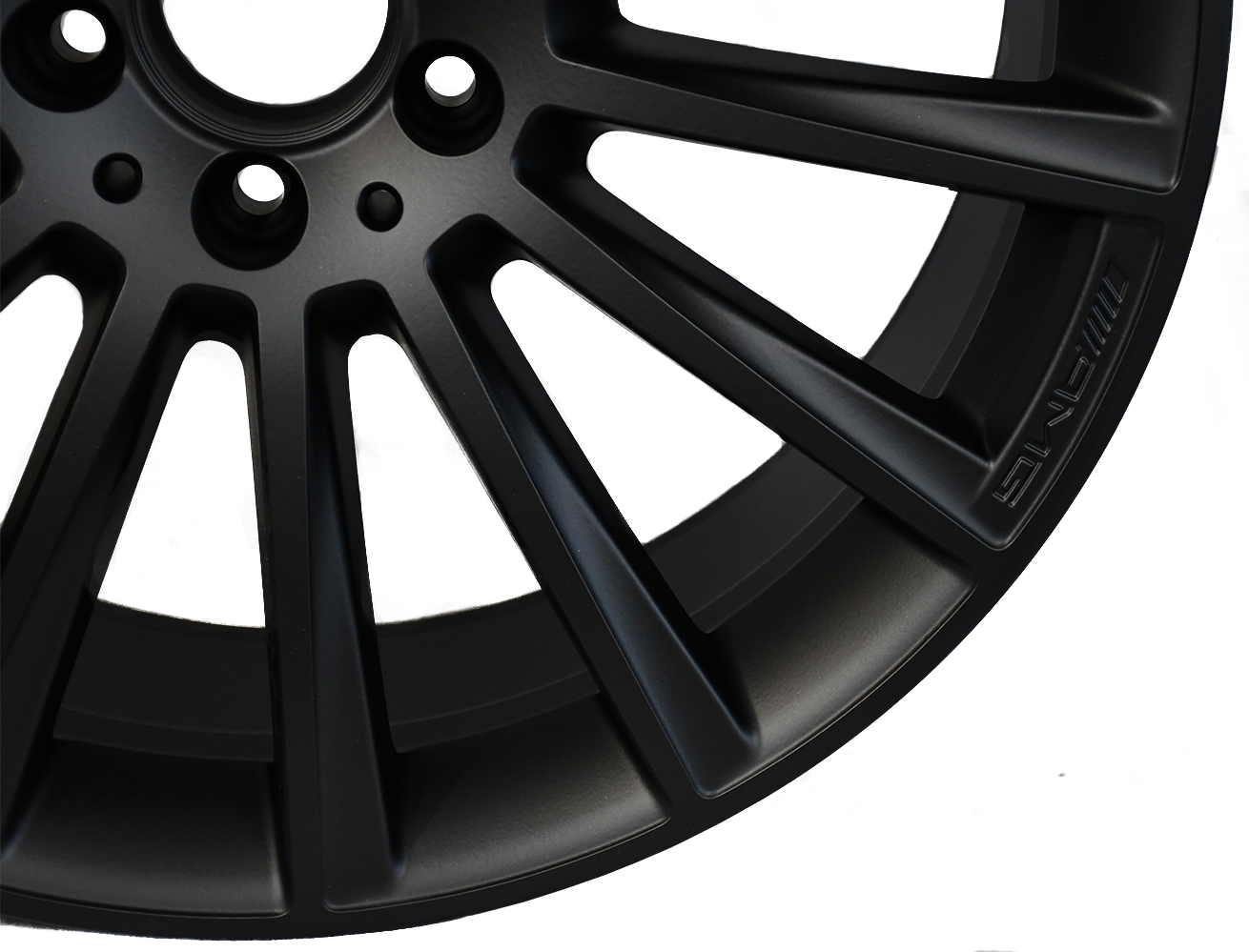
Powdercoat RAL 9005 Jet Black smooth flat matte
Choose your option

RAL 9016 Traffic white smooth gloss
Choose your option


RAL 9005 jet black smooth satin finish
Choose your option
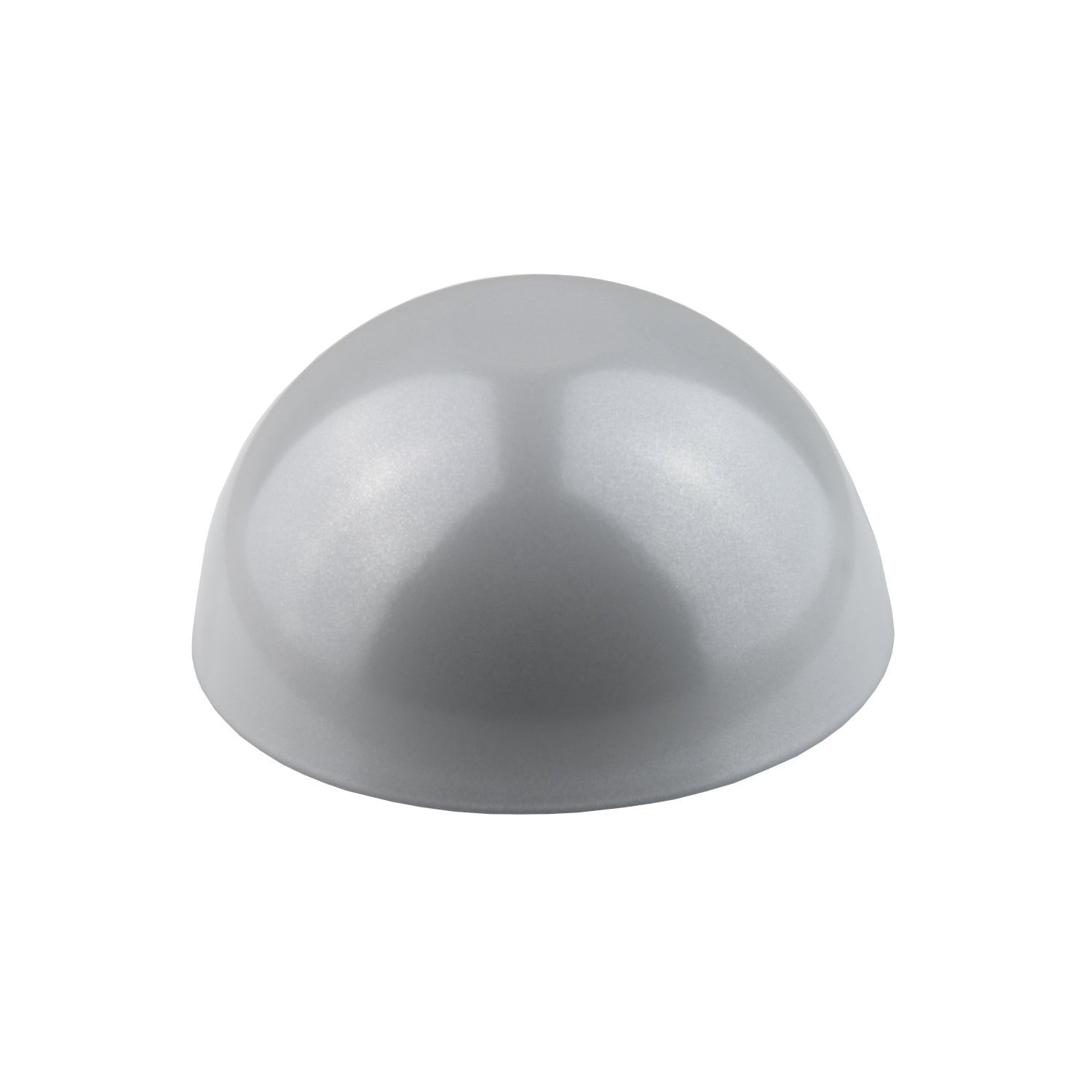

RAL 9006 white aluminum smooth gloss
Choose your option

RAL 7016 anthracite grey fine structure matt
Choose your option


RAL 5002 Ultramarine blue smooth gloss
Choose your option
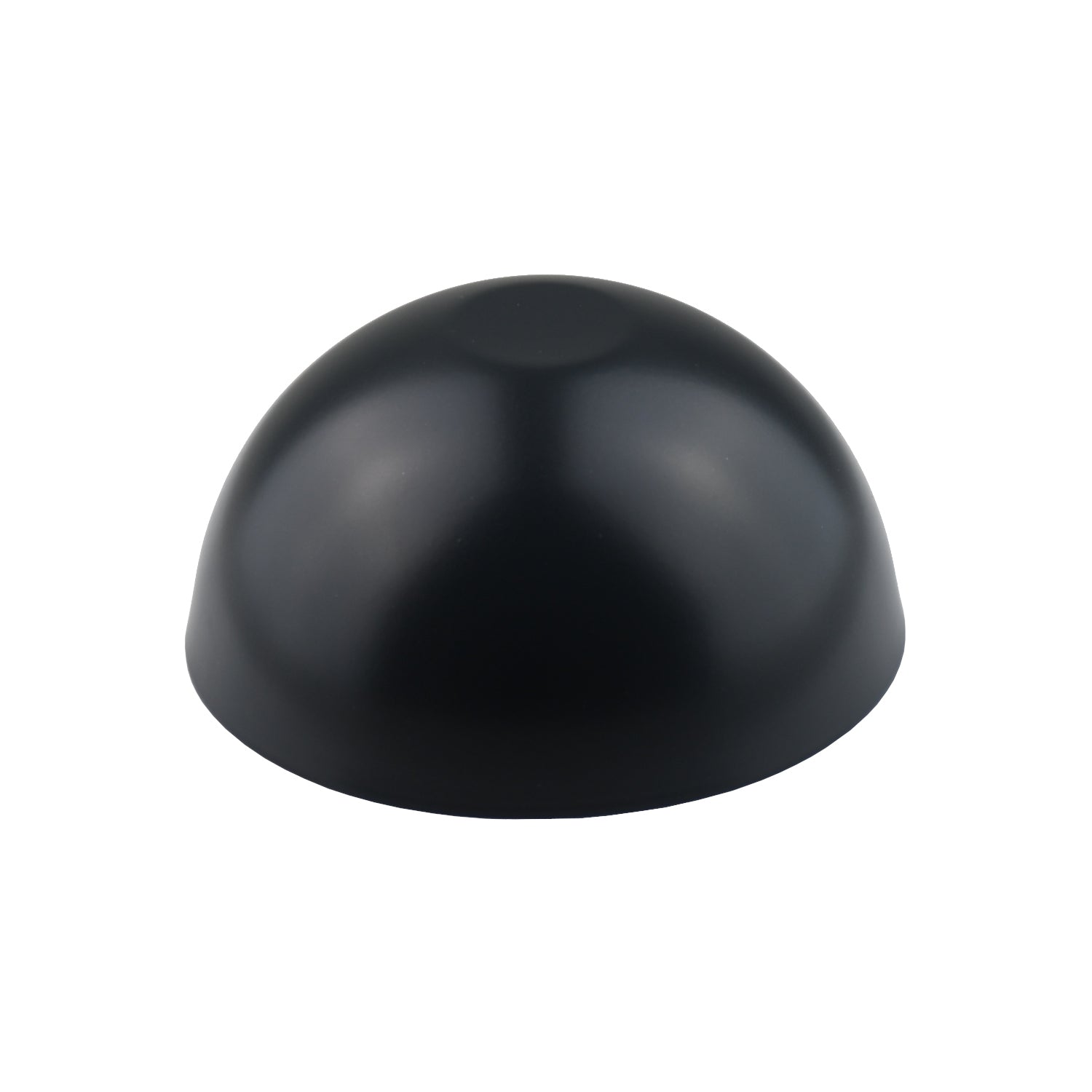

RAL 7016 Anthracite gray smooth matt
Choose your option


RAL 3000 Flame Red smooth gloss
Choose your option

RAL 1023 Traffic yellow smooth gloss
Choose your option

RAL 9003 Signal white smooth gloss
Choose your option

RAL 7016 anthracite grey smooth gloss
Choose your option


RAL 2004 Pure Orange smooth gloss
Choose your option
Selecting a RAL Color Shade: Standardized Colors for Reproducible Results
Whether for your wheels, garden gate, or another workpiece, you want a precisely defined color shade that you can reorder with exact consistency later on. That is precisely why the RAL color system exists—a standardized color scale established in 1927 where every number represents a defined color shade. You select your desired RAL color once and receive an identical match on every subsequent order, regardless of batch or timing.
Three standard shades cover the majority of projects. Our reference black is RAL 9005 Jet Black, which we carry in every gloss level. For interior fit-outs, railings, and radiators, RAL 9010 Pure White is the industry standard. For modern facades, fences, and gates, RAL 7016 Anthracite Gray is often the top choice. You can select these and all other solid standard shades within the RAL color system.
Because screens display colors only approximately, it is well worth examining a physical color sample before ordering. This allows you to evaluate the color tone, gloss level, and texture exactly as they will appear after curing.
The Gloss Level Transforms Your RAL Shade More Than You Might Think
The exact same RAL color can look completely different depending on how strongly it reflects light. This degree of reflectance is described by the gloss level, measured in Gloss Units (GU) against a standardized reference of 100 GU. High gloss reflects light intensely at around 80 to 95 GU, while dull matte absorbs light almost entirely at the lowest end of the scale.
| Gloss Level | Gloss Units | Visual Effect | Typical Application |
|---|---|---|---|
| High Gloss | 80 to 95 GU | Strongly reflective | Smooth surfaces in good condition |
| Semi-Gloss | 60 GU ±10 | Balanced reflection | Motorcycle and design components |
| Satin / Satin Matte | 40 GU ±10 | Restrained, elegant | Easy to clean, scratch-resistant |
| Matte | 25 GU ±10 | Low reflection | Roughened or oxidized surfaces |
| Dull Matte / Flat | Below 10 GU | Ultra-matte, velvety | Lowest reflection finish |
For a deep black on a smooth, well-prepared surface, RAL 9005 Jet Black in Satin Matte provides an elegant, easy-care finish that minimizes fingerprints and glare.
For smooth surfaces in good condition, choosing a high-gloss RAL shade creates a deep finish. On slightly roughened or oxidized parts, a matte gloss level conceals minor surface imperfections much better.
If you need the surface to forgive scratches and fingerprints even more, a fine texture finish is the most durable choice. This fine, tactile texture is more resilient than a smooth surface and conceals minor irregularities.
Expert Opinion from Pulverkönig
In customer consultations, we see uncertainty around gloss levels far more often than around RAL color selection. When planning a deep black finish, it is easy to underestimate how effectively Satin Matte at 40 GU suppresses fingerprints—fingerprints that a 90 GU High Gloss finish reveals instantly. Ordering a sample panel showcasing all gloss levels of RAL 9005 prevents costly ordering mistakes.
Indoor vs. Outdoor: Which RAL Coating Preserves Your Color Long-Term
A RAL shade that remains unchanged indoors for years can chalk and lose color depth over time when exposed to harsh outdoor sunlight. For this reason, our RAL powder coatings are made from polyester, a binder engineered to withstand UV radiation and weathering. Offered in architectural quality—meaning certified suitability for permanently exposed components—they carry Qualicoat and/or GSB certification.
For permanently exposed structures such as facades, railings, and fences, super-durable powder coatings (often abbreviated as HWF) offer the ultimate performance. With proper pretreatment—meaning a thoroughly cleaned and prepared substrate—they maintain color and gloss retention for 15 to 20 years. When applied over galvanized steel, the duplex system combines galvanization with the powder coat to deliver maximum corrosion protection.
| Application Area | Recommendation | Rationale |
|---|---|---|
| Indoor, low exposure | Standard RAL Polyester | Color-accurate, sufficiently protected |
| Exposed outdoor | Super-Durable (HWF) | Maximum UV stability, 15 to 20 years retention |
| Galvanized outdoor | Duplex System | Maximum corrosion protection plus visual finish |
| Outdoor safety/luminous | Weather-resistant RAL shade | Fluorescent pigments lack UV stability |
For a weather-resistant black finish on facades or railings, RAL 9005 Jet Black in Super-Durable (HWF) quality is the long-lasting solution, delivering a theoretical coverage of 10 to 15 m² per kilogram (the surface area covered by one kilogram of powder).
On fences, gates, and facades, anthracite gray RAL 7016 in Fine Texture has proven highly popular, as its tactile surface masks scratches and dirt effortlessly.
Vibrant safety colors like RAL 1026 Luminous Yellow are intended strictly for indoor use. Their fluorescent pigments are not UV-stable and will alter color outdoors without protection. For long-term outdoor safety markings, choose a weather-resistant standard RAL shade or apply an appropriate protective clear coat.
From Bare Metal to Cured Finish: The Layer Structure
Before applying a RAL shade to a component, the substrate quality determines the final outcome. On bare, degreased metal, a primer serves as the initial layer to enhance adhesion and protect against corrosion. This is followed by the RAL color coat, and, if required, a protective clear coat sealer.
The color layer itself is applied at a single-coat thickness of 60 to 100 µm (60 to 100 thousandths of a millimeter) and cured in an oven at roughly 180 °C for 15 to 20 minutes. One kilogram of powder covers approximately 9 to 13 m².
Over effect or metallic shades, a clear coat seals the surface and provides additional protection against UV rays and scratching. For solid standard RAL colors, a clear coat is optional and primarily recommended for high-wear components.
To ensure uniform coverage, suspend the workpiece freely. The contact points on the coating hooks double as the electrical ground connection, allowing the charged powder particles to deposit cleanly. Threads and boreholes that must remain free of powder should be masked off beforehand using heat-resistant silicone plugs.
If you plan to powder coat yourself, you will need a curing oven capable of holding the object temperature—the actual temperature of the physical part—consistently at the target setpoint. A household kitchen oven is inadequate because it offers neither uniform heat distribution nor proper extraction of powder fumes. For a detailed walkthrough, follow our guide on powder coating yourself step-by-step.
Expert Opinion from Pulverkönig
In customer projects, we frequently observe people starting with a kitchen oven and failing due to uneven heat. A RAL shade requires a constant 180 °C across the entire surface; otherwise, one corner overbakes and discolors while another fails to cure fully.
Repairing RAL Paint Damage vs. Recoating
A stone chip on a powder-coated wheel or a small scratch at a hanging point does not mean you have to re-coat the entire part. For minor spots, touch up the RAL shade using a touch-up pen mixed directly with original powder to perfectly match color, texture, and gloss level.
For black surfaces, the RAL 9005 Touch-Up Pen comes pre-mixed and ready to use in either matte or gloss finishes, fully curing in about 24 hours. On bare metal, apply an adhesion primer prior to touch-up.
Touch-up pens are designed for spot repairs, not large areas. If damage is extensive or deep, only a full re-coat will produce a seamless, uniform finish. To learn how to perform clean spot repairs, consult our powder coating touch-up guide.