



Candy Red Set
Choose your option


Candy Blue Set - Chrome + Glaze
Choose your option


Candy Purple Set
Choose your option


Candy Gold Powder + Glaze set
Choose your option


Candy Turquoise Set
Choose your option


Candy Orange Set Classic
Choose your option


Candy Green Set
Choose your option
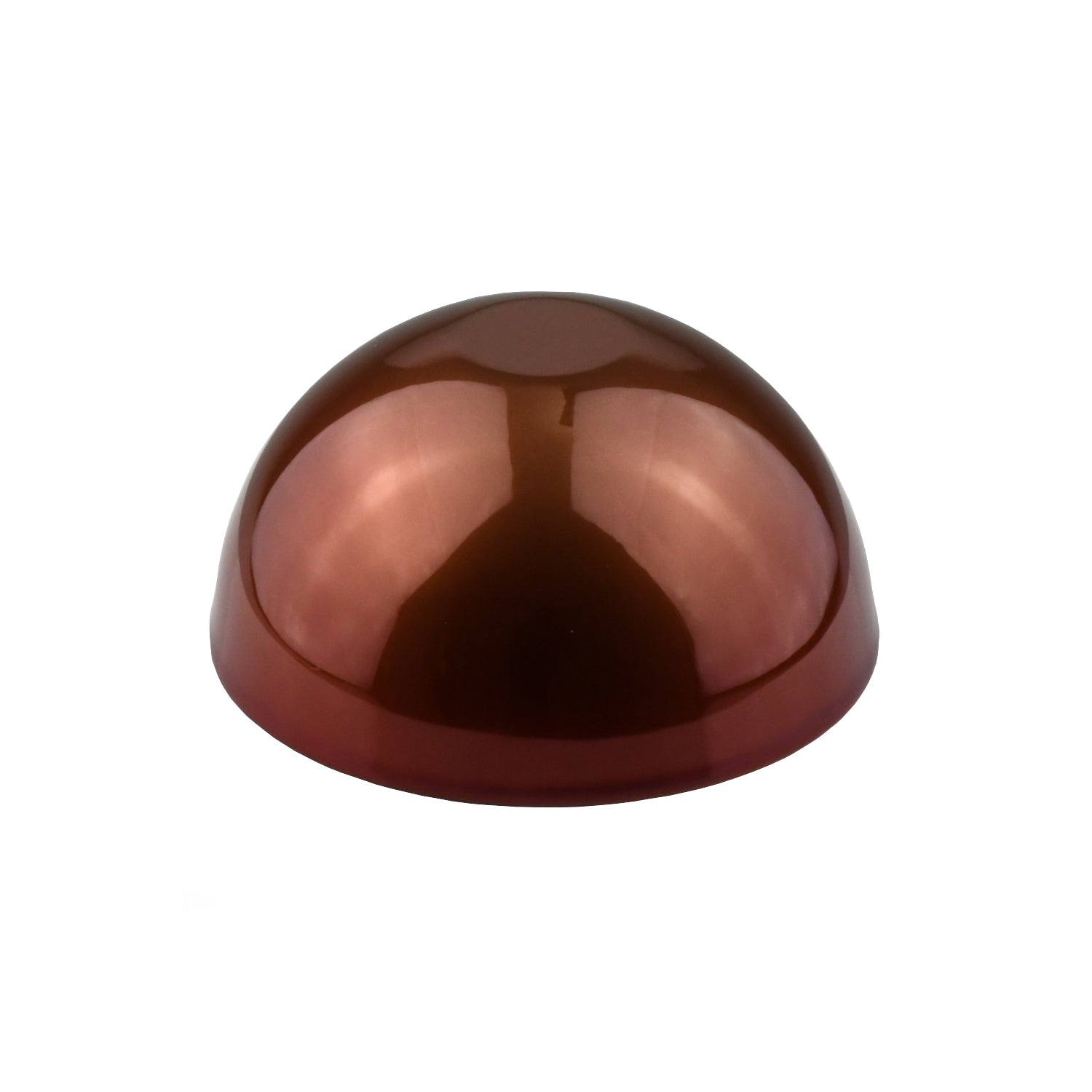
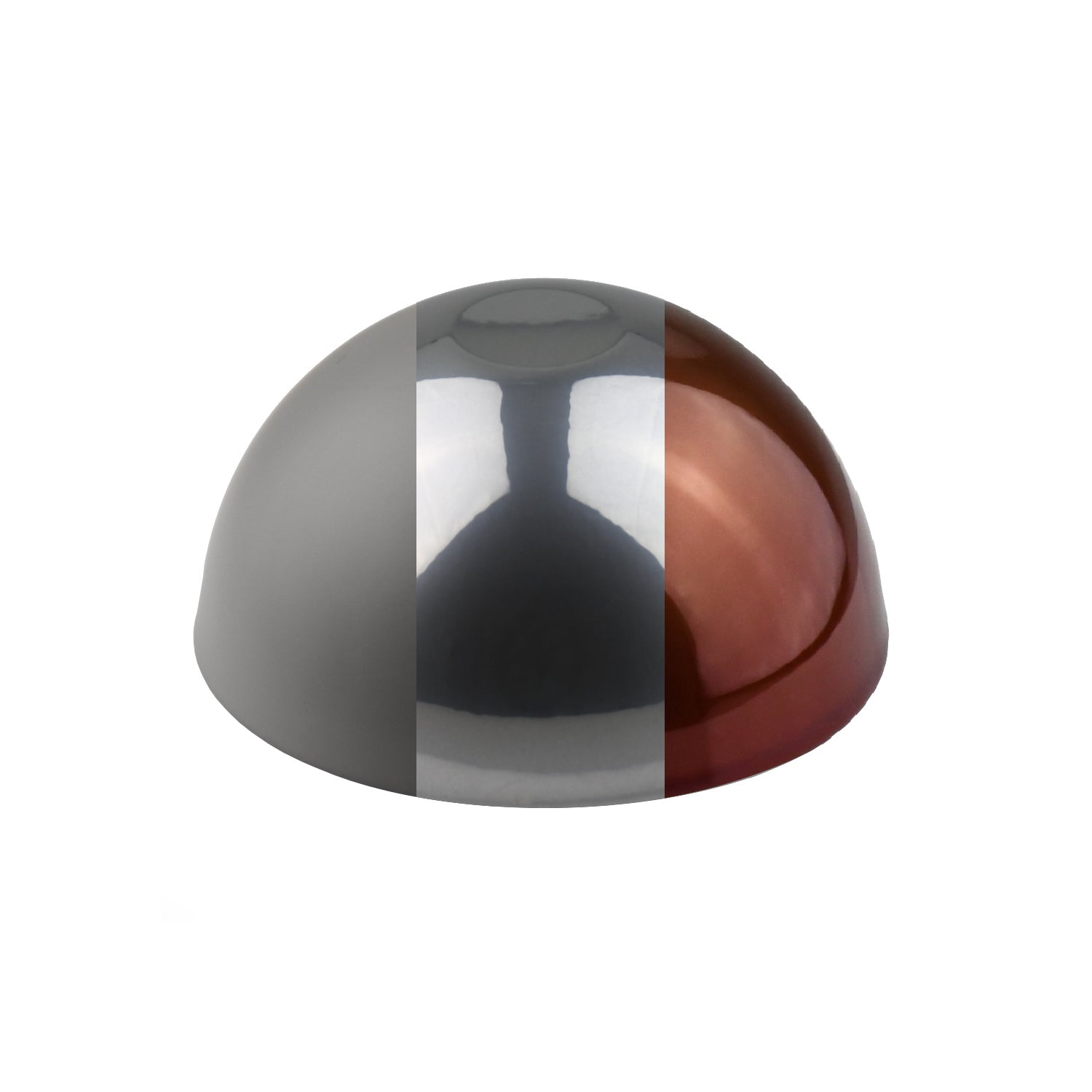
Candy Copper Set
Choose your option
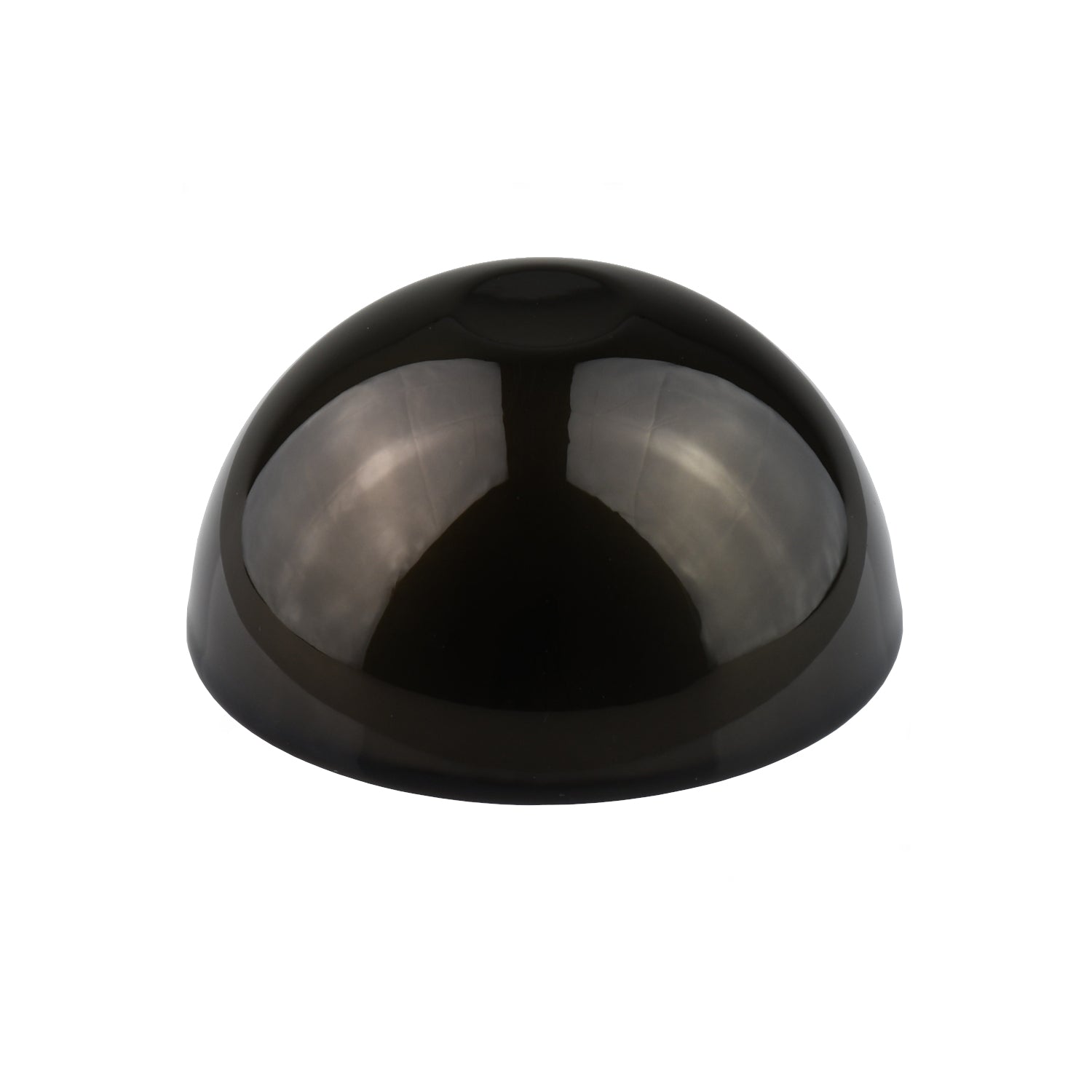
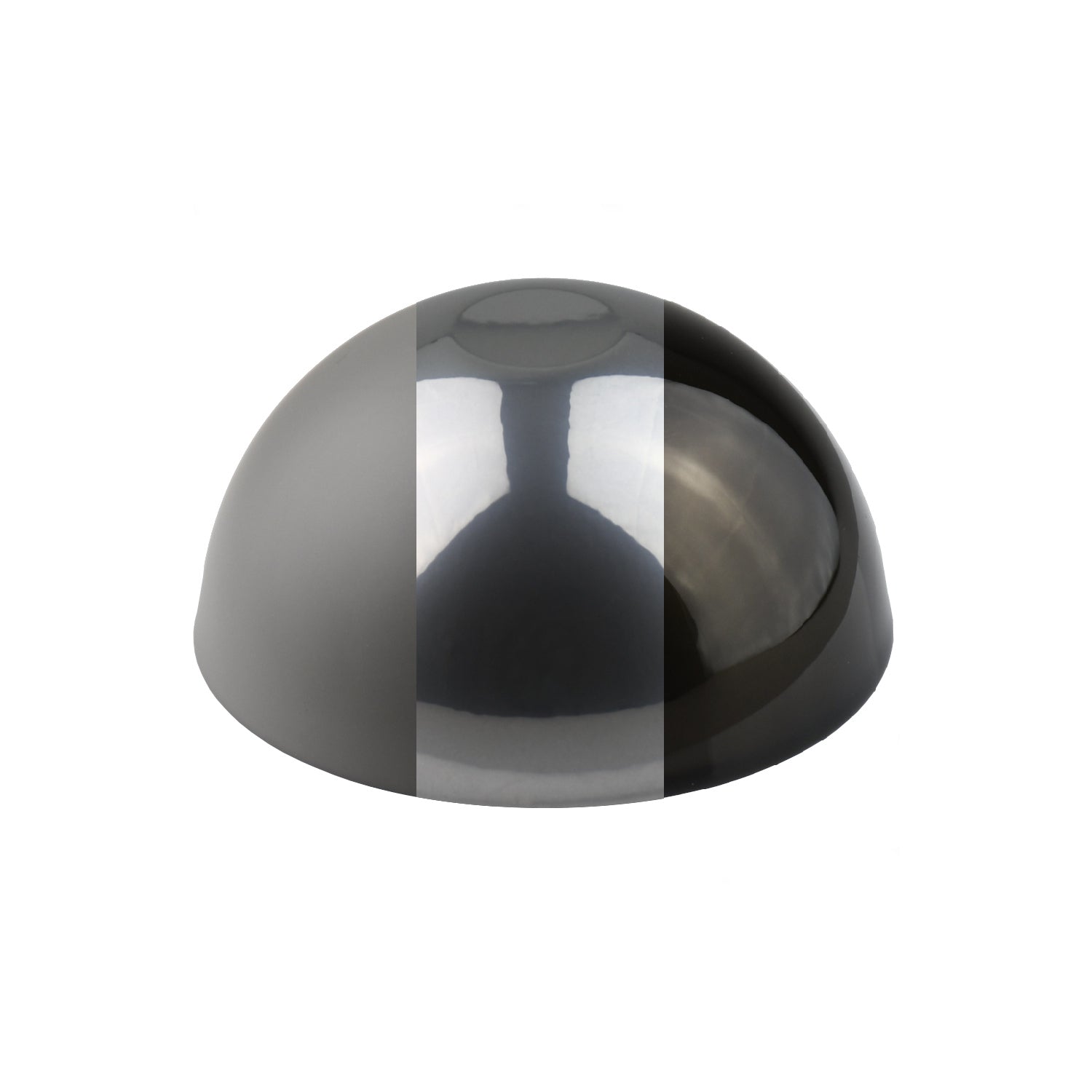
Candy Smoke Black Set
Choose your option
Candy Powder Coating: Deep Luster from Chrome and Glaze
On a coated wheel, a Candy effect creates the illusion of color layered in multiple dimensions. It is precisely this sense of visual depth that defines Candy powder coating. It does not originate from a single color coat, but rather from two perfectly matched layers (2-coat system).
The base layer reflects light like a mirror—typically a chrome effect such as Mirror Chrome. Above it lies a glaze—a translucent tinted coating that allows the substrate to show through while imparting color. The reflected light passes through the glaze twice (once on the way down and once on the way back), giving the color tone its characteristic depth. Pre-matched sets include both the chrome base and colored glaze in a 1:1 ratio, ensuring the amount of base coat matches the glaze quantity.
| System | Base Coat | Color Coat | Typical Application |
|---|---|---|---|
| Candy | Mirror Chrome | Translucent color glaze | Wheels, frames, custom parts |
| Cosmic Finish | Silver Substratum | Translucent color glaze | Wheels, design items |
| Opaque Metallic | Single-coat | Pigment in coating | Automotive and design parts |
Candy coatings rely on a chrome-like, mirror reflective base. For a silvry foundation with a softer sparkle, choose the Cosmic series; a single-coat opaque metallic provides coverage in a single pass when deep reflectivity is not required.
Which Candy Colors You Can Combine
For a red Candy look, combine a red glaze over the chrome base. The same principle applies to blue, gold, green, orange, turquoise, and purple. As a pre-packaged bundle, the Candy Red Set eliminates the need to select individual components, delivering a base coat and glaze that are already tuned to each other.
The intensity of a Candy tone depends heavily on the coat thickness of the glaze—measured in micrometers. A variation of just around 20 µm can visibly alter the final color tone. Coating a test panel prior to full production allows you to evaluate the true color under your lighting conditions.
You can work exclusively with complete sets or freely combine base coats and glazes. A combination like the Candy Gold Set provides chrome effect and gold glaze in balanced proportions, while applying an individual gold glaze over any chrome or silver base allows you to create custom color variations.
Expert Opinion from Pulverkönig
When consulting on Candy colors, we always recommend running a test coating. A difference of just ~20 µm in glaze thickness visibly alters the hue, making a cured sample piece far more reliable than any color display on a screen.
Step-by-Step to a Clean Candy Finish
First, apply a primer to the cleaned and degreased component as an adhesion promoter and corrosion barrier. Next comes the reflective base coat, followed by the color glaze, and—for outdoor applications—a clear coat to seal the finish. Each layer is applied and cured separately, melting and crosslinking in the oven to create a durable bond.
| Layer | Function | Example |
|---|---|---|
| Primer | Adhesion, corrosion protection | Epoxy Primer |
| Base Coat | Mirror reflection | Mirror Chrome |
| Glaze | Color and depth | Red Glaze, Gold Glaze |
| Clear Coat | Protection and UV shielding | Clear Coat Pro |
For indoor parts unexposed to weathering, the clear coat can be omitted if appearance and durability meet your requirements without it. However, as soon as the component goes outdoors, UV sealing is essential.
Candy sets are cured layer by layer at 180 °C (356 °F) for 15 to 20 minutes. The critical value is the object temperature—the temperature of the workpiece itself—rather than the set oven temperature. If you are powder coating yourself for the first time, our guide will walk you through the process step-by-step.
Please check the following before your first application:
- Is the component clean, degreased, and dry?
- Is the primer ready as a protective substrate?
- Are the base coat and glaze quantities properly matched?
- Is a sample panel prepared for color matching?
- Is a clear topcoat planned for outdoor use?
If any of these items are missing, address them before coating, as color tone and adhesion cannot be adjusted after the finish is cured.
Applying and Protecting Candy Finish on Wheels Correctly
In daily driving, a coated wheel must withstand stone chips, brake dust, and solar radiation, which makes wheels a demanding application for Candy tones from our range of effect glazes. Wheels feature deep spokes and sharp edges, and they remain continuously exposed to outdoor elements.
When applying the powder, you can choose between two application systems. In the Corona charging method, a high-voltage electrode charges the powder (around 30 to 100 kV), which is fast and efficient for flat surfaces. However, the high-voltage electrostatic field struggles to penetrate deep spoke recesses—a Faraday cage effect. With Tribo charging, the charge is generated purely through friction without high voltage, allowing powder to reach deep recesses more effectively. Experience shows that the reflective chrome base applies more evenly via Corona; avoid applying it too thick, as Corona charging can cause orange peel at film thicknesses above ~60 to 70 µm.
Suspend the wheel so the mounting point leaves no visible flaws on functional surfaces. A specialized wheel hanger hook that grips inside the valve stem hole holds the wheel securely while keeping visible faces clear. The contact points on the hook also ensure proper grounding, without which charged powder cannot deposit evenly.
For long-term outdoor exposure, seal the Candy layer with a UV-resistant clear coat. Without this protective topcoat, the effect will fade under sun exposure over time. Note that chrome effect powder coating is a decorative finish and does not replace electroplated galvanic chrome.
Expert Opinion from Pulverkönig
From customer projects, we know that clear coat is the deciding factor in longevity for daily-driven wheels. We always seal outdoor Candy builds with a UV clear coat because a thin glaze alone cannot withstand stone chips and sun long-term. For daily drivers, always schedule a test coating before coating the complete set.