



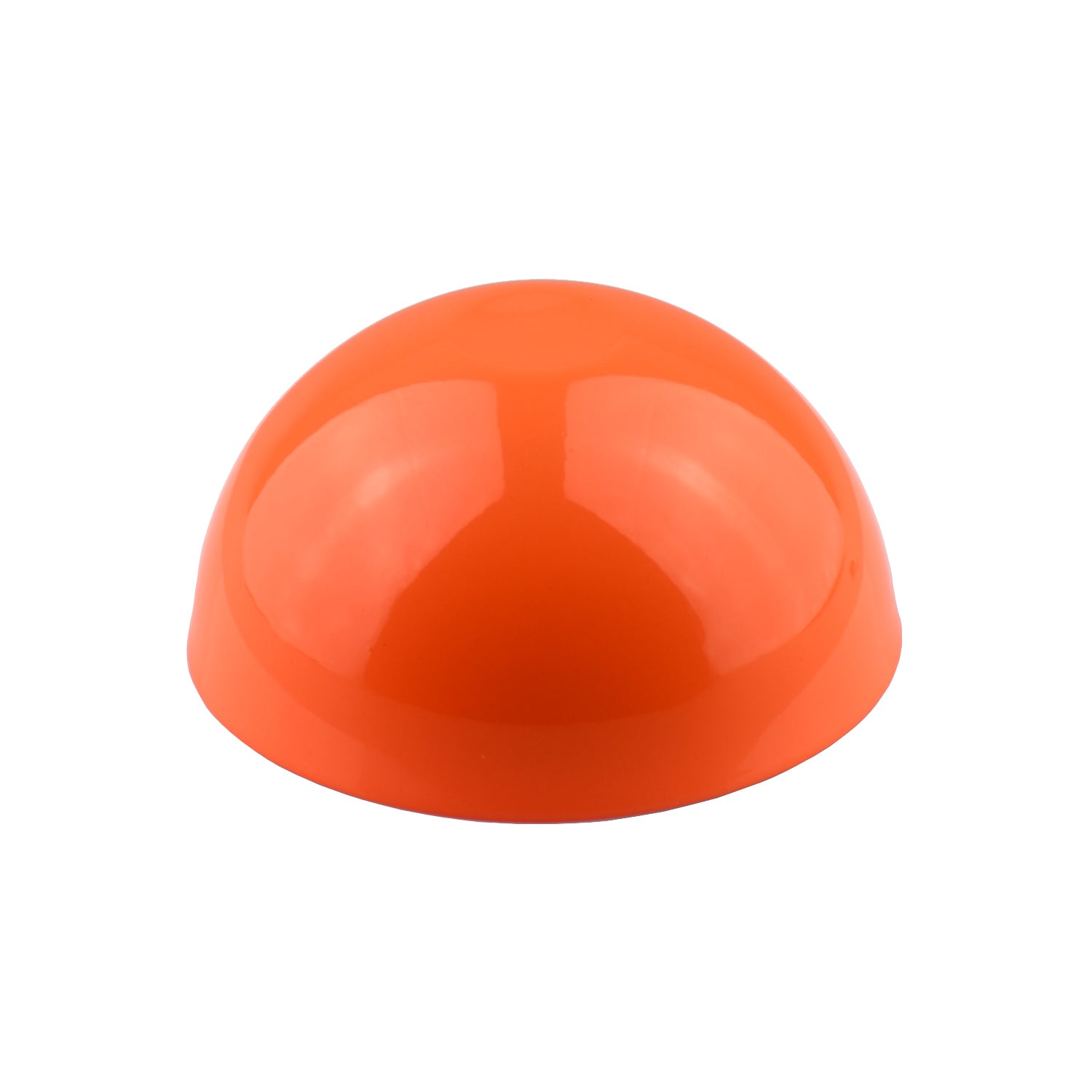
RAL 2005 Luminous Orange
Choose your option


RAL 3000 Flame Red smooth gloss
Choose your option
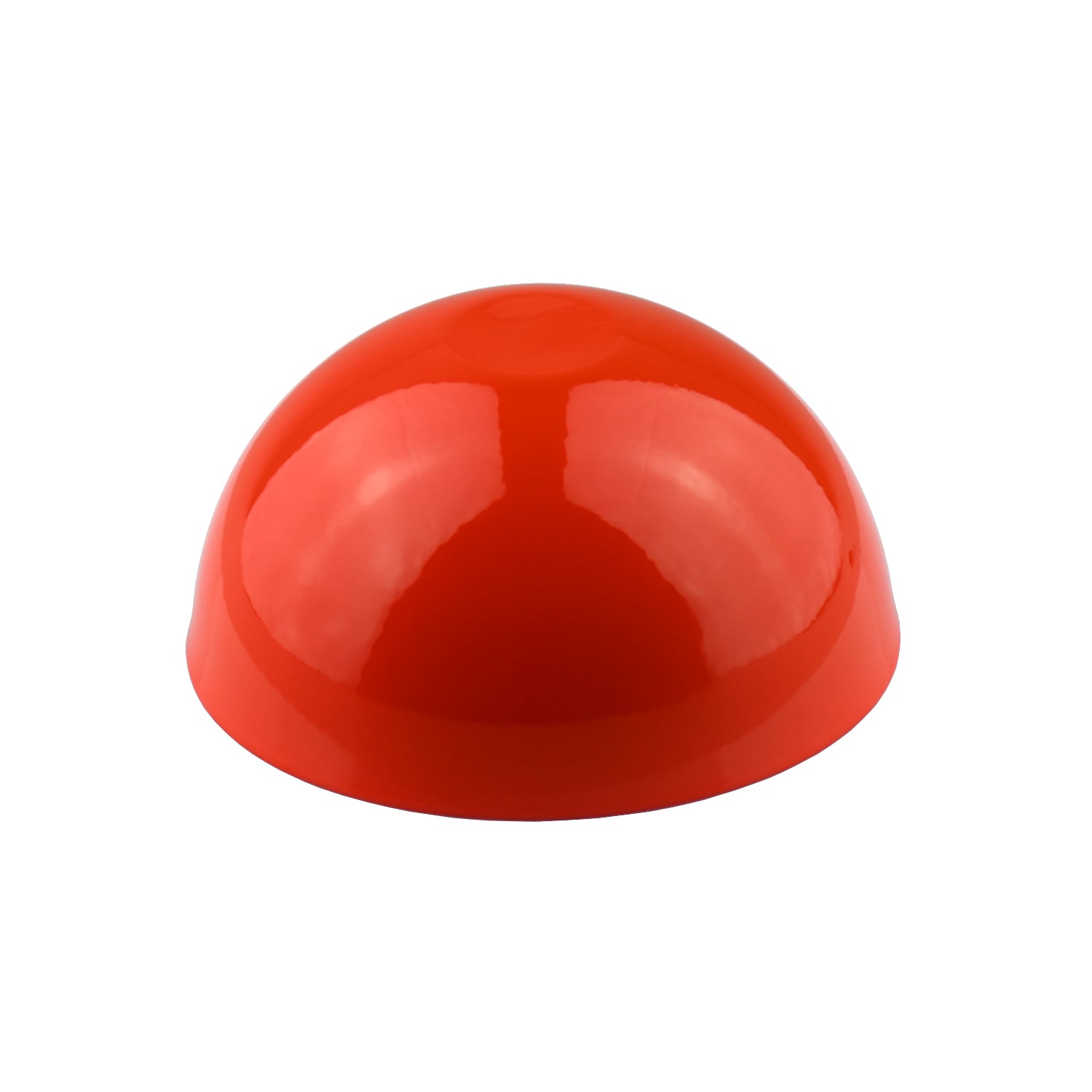
RAL 3024 Luminous Red
Choose your option

RAL 7016 anthracite grey smooth gloss
Choose your option


RAL 2004 Pure Orange smooth gloss
Choose your option
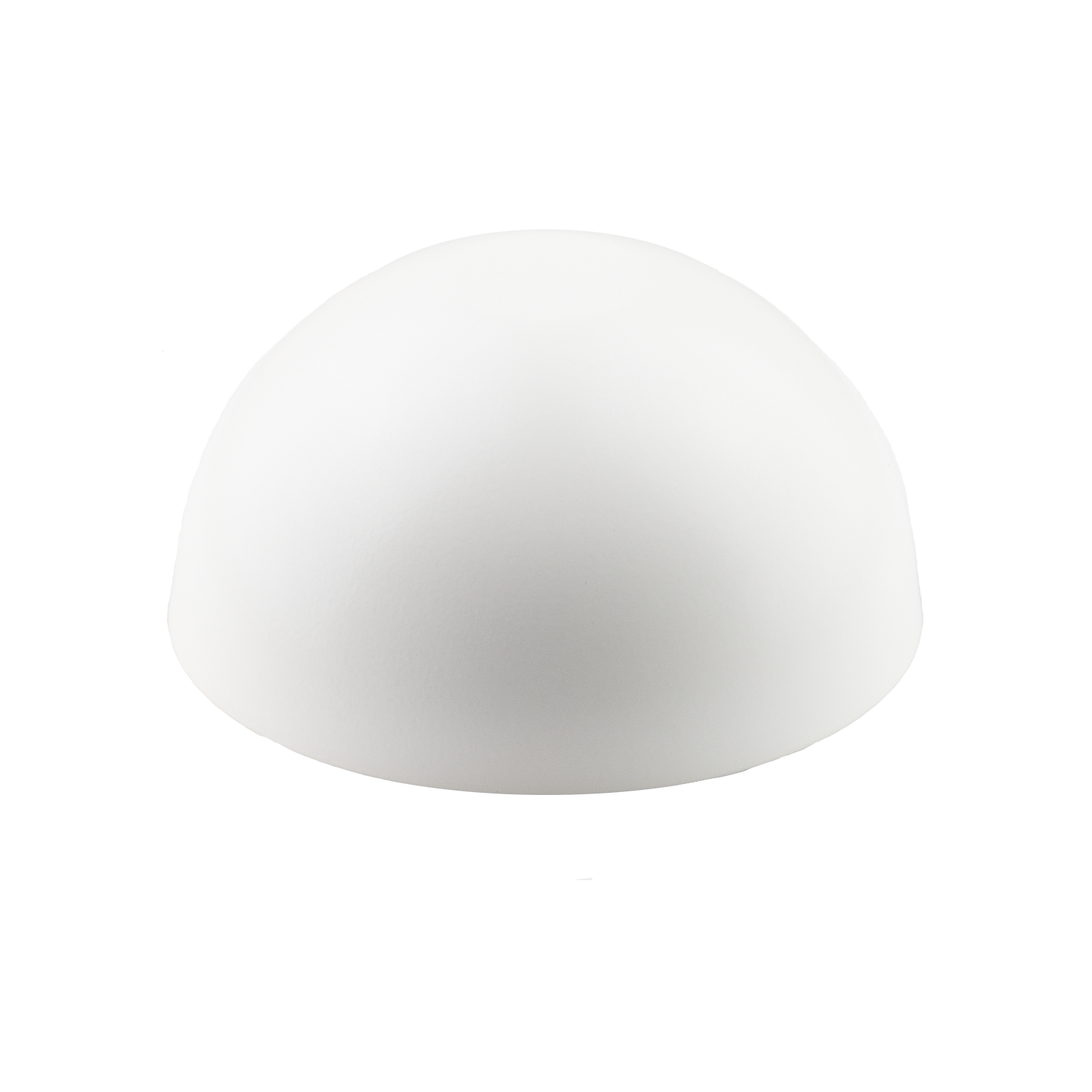
RAL 9010 pure white smooth matt
Choose your option

RAL 6005 Moss green smooth gloss
Choose your option


RAL 5015 Sky blue smooth gloss
Choose your option

RAL 7016 anthracite grey smooth satin finish
Choose your option


RAL 5017 Traffic blue smooth gloss
Choose your option

RAL 4010 Telemagenta smooth gloss
Choose your option

RAL 3002 carmine red smooth gloss
Choose your option

RAL 2009 Traffic Orange smooth gloss
Choose your option

RAL 9001 Cream white smooth gloss
Choose your option

RAL 6018 yellow-green smooth gloss
Choose your option
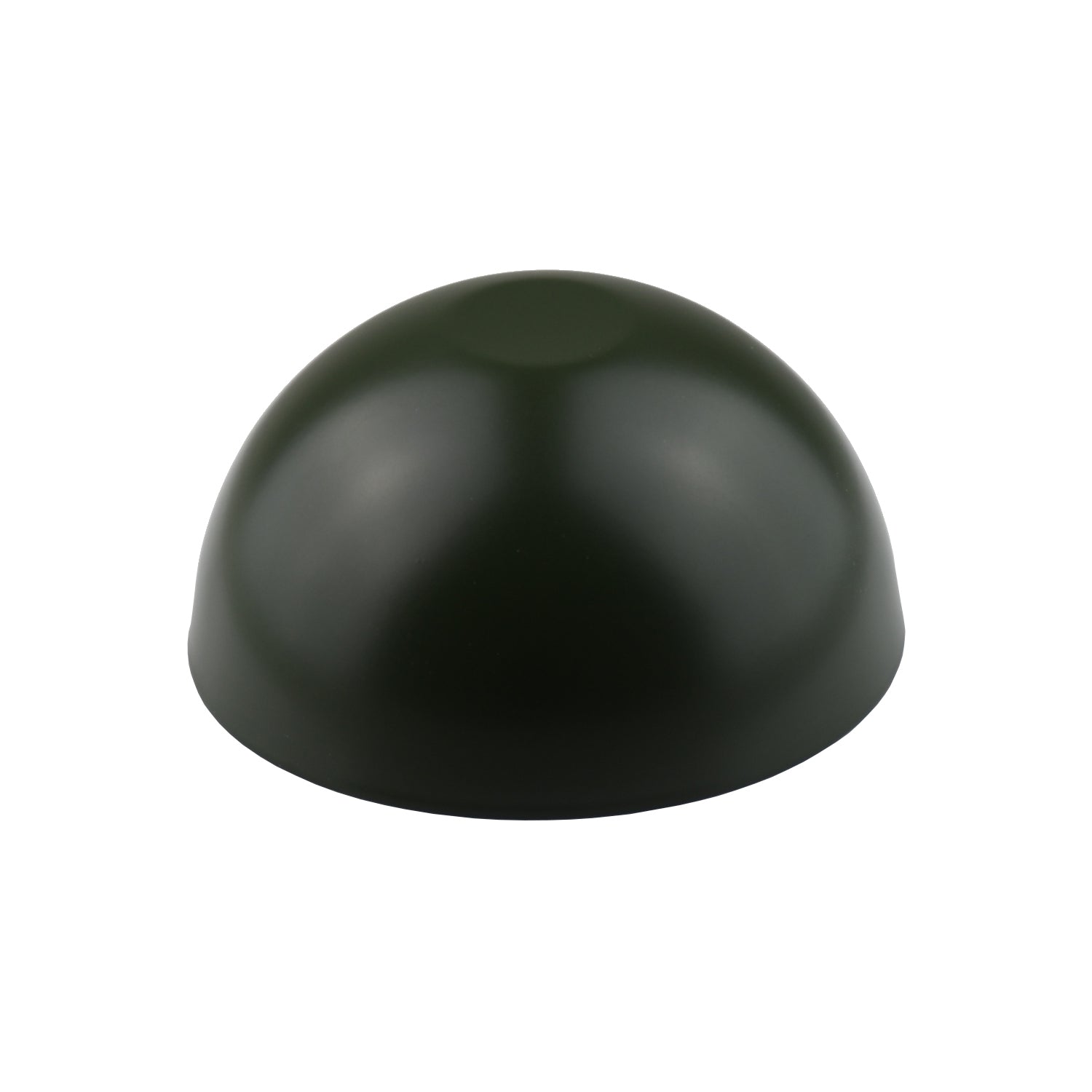

RAL 6003 olive green smooth matt
Choose your option

RAL 5012 Light blue smooth gloss
Choose your option

RAL 3003 Ruby red smooth gloss
Choose your option

RAL 9010 pure white smooth high gloss HWF
Choose your option

RAL 3001 Signal red smooth gloss
Choose your option
Powder Coating as RAL Standard or Custom Colors
Anthracite gray powder coating for the garden gate, deep black for the wheel set, or a custom shade for a bespoke project: the color shade is the starting point for every coating. For solid standard shades, turn to the RAL color system, a color scale standardized since 1927 in which every shade carries a unique number. RAL 9005 Jet Black is the most widely used reference shade in our product range and is available in every gloss level; RAL 7016 Anthracite Gray and RAL 9010 Pure White cover the most common project colors.
If the RAL spectrum is not enough, our specialty colors expand your options. There you will find metallic shades, candy glazes, textures, and specialized properties such as heat stability, ESD dissipative performance, or powder coatings with potable water approval. For signal and fluorescent colors, pay attention to the application site: neon shades are designed for indoor use without light and UV stability, and will fade under continuous outdoor sun exposure. For weathered components, we recommend choosing a weather-resistant RAL shade instead.
Choosing Indoor or Outdoor Application Determines the Binder
Before ordering powder coating in a specific shade, clarify the installation site. The binder—the plastic matrix forming the powder coating layer—dictates durability. Polyester powder coatings are weather- and UV-stable, making them the right choice for both indoor and outdoor use. Epoxy provides excellent adhesion and flow, but yellows and chalks under UV radiation, meaning it belongs indoors or in functional applications like electrical components and fittings. Hybrid systems composed of epoxy and polyester serve primarily as decorative indoor coatings.
| Binder | Application | Durability | Curing |
|---|---|---|---|
| Polyester | Indoor and outdoor | UV and weather-stable | 180 °C, 15 to 20 min |
| Epoxy | Indoor, functional | Not UV-resistant | 120 to 200 °C |
| Hybrid (EP/PES) | Indoor, decorative | Less yellowing than epoxy | 130 to 200 °C |
| Polyurethane | Indoor and outdoor | Excellent weathering, smooth flow | From 180 °C |
For permanently weathered components such as facades, fences, or railings, super-durable powder coatings deliver the highest UV stability and can maintain color depth for 15 to 20 years with proper pretreatment. For outdoor applications, combine them with a primer as an adhesion promoter and corrosion barrier so the topcoat does not sit directly on bare metal.
Expert Opinion from Pulverkönig
From customer projects, we know that a permanently weathered component only achieves the target durability of 15 to 20 years when built up as a two-coat system consisting of primer and topcoat at around 60 µm film thickness. A standalone topcoat without an adhesive primer lasts significantly shorter outdoors.
The Gloss Level Dictates Surface Appearance
The wrong gloss level highlights every surface flaw. On a smooth surface in good condition, high gloss looks deep and premium; on a slightly roughened or aged surface, a matte finish is far more forgiving. Gloss is measured as a reflectometer value in gloss units (GU), where a polished glass standard represents 100 GU. The lower the value, the more diffusely the surface scatters light.
| Gloss Level | Gloss Units | Visual Effect | Application |
|---|---|---|---|
| High Gloss | 80 to 95 GU | Strongly reflective | Smooth surfaces in good condition |
| Semi-Gloss | 60 GU ±10 | Subtle gloss | Balanced finish |
| Satin / Satin Matte | 40 GU ±10 | Restrained, elegant | Easy to clean, scratch-resistant |
| Matte | 25 GU ±10 | Diffuse light scattering | Roughened or oxidized surfaces |
| Flat / Dull Matte | Below 10 GU | Low reflection | Ultra-matte, velvety appearance |
Select your gloss level based on the condition of the workpiece and the desired look, not just personal preference. A satin matte powder coating reduces fingerprints and reflections, making it well-suited for furniture or motorcycle parts. If the surface needs to mask small dents or scratches while offering extra grip, a fine texture finish is the ideal choice—a finely textured powder coat that conceals surface imperfections and fingerprints. If you are uncertain about color or gloss level, order a sample panel bundle with all gloss levels in black to verify the shade on a cured panel rather than on a monitor screen.
Powder Coatings in Metallic, Candy, or Effect Finishes for Striking Accents
Candy Red on a rim, a chameleon cosmic finish on a valve cover, or warm bronze on furniture: when your finish needs to deliver more than a flat monochrome look, opt for metallic shades and effect coatings. Metallic powder contains flake-shaped effect pigments. To prevent these from separating and ensure a streak-free tone, many effect shades are manufactured using the bonding process, where pigments are permanently attached to the powder particles. For wheel refinishing, Rim Silver is a proven, weather-resistant metallic silver.
Deep candy effects are achieved through a two-step process: a reflective chrome or silver base coat topped with a transparent colored glaze that lets the substrate shine through. Available as fully matched candy sets, you receive base powder coat and glaze in the proper ratio without having to search for individual components. Keep the limits of the effect in mind: chrome-effect powder does not replace galvanic chrome plating and requires a protective clear coat, which adds a subtle silver cast over the mirror finish. Full metallic surfaces are prone to scratching and must always be sealed when used outdoors.
Expert Opinion from Pulverkönig
In customer consultations, we frequently observe that effect shades look different on a monitor than on real metal. With candy and glaze systems, the final color shade depends heavily on layer thickness; an increase of just ~20 µm visibly shifts the color tone. Doing a sample panel before starting production is well worth it.
Buying and Applying Powder Coatings Yourself: From Primer to Clear Coat
Degrease thoroughly, prime, apply color, cure, and seal: following this sequence produces a durable coating. The primer provides adhesion and corrosion resistance, the color coat supplies visual appeal and baseline protection, and a clear coat protects effect and metallic surfaces against UV rays and weathering. For wheels and custom automotive parts used outdoors, this three-stage system of primer, color, and protective clear coat is the most durable solution.
During application, you electrostatistically charge the powder so it adheres to the grounded workpiece. Our powder guns utilize Tribo technology, charging the powder via friction inside the loader tube without high voltage. This allows the powder to reach recesses and hollow cavities that are difficult to coat using Corona high-voltage fields (30 to 100 kV) due to Faraday cage shielding in tight inner corners.
For curing, you need a powder coating oven. Our powder ovens operate on a standard 230 V socket at 2.8 kW, reaching temperatures of roughly 200 to 220 °C and distributing heat evenly across the component. A household kitchen oven is unsuitable because it lacks precise thermal control and food safety separation. Our powder ovens are specifically engineered for coating wheels, automotive parts, and bicycle frames.
Before coating, mask off threads and boreholes using heat-resistant silicone plugs and tape, then suspend the workpiece from coating hooks with clean contact points to guarantee grounding. Small scratches, stone chips, or hook marks can be touched up later using a touch-up pen mixed with original powder for accurate color matching. Touch-up pens are not intended for large surfaces, where recoating is recommended instead. For a complete overview covering material suitability and preparation, follow our guide on how to powder coat yourself step by step.